Search results for: “shops”

  • Seminars and workshops

    Seminars and workshops

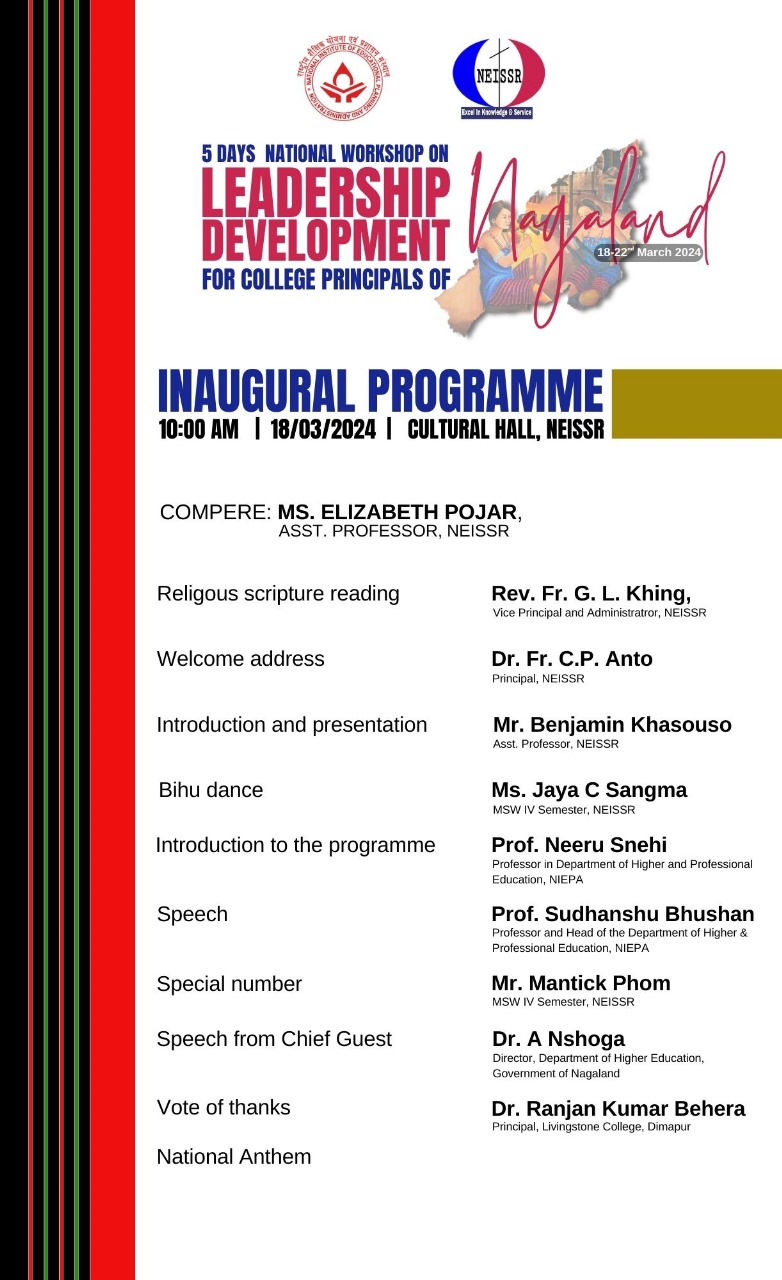
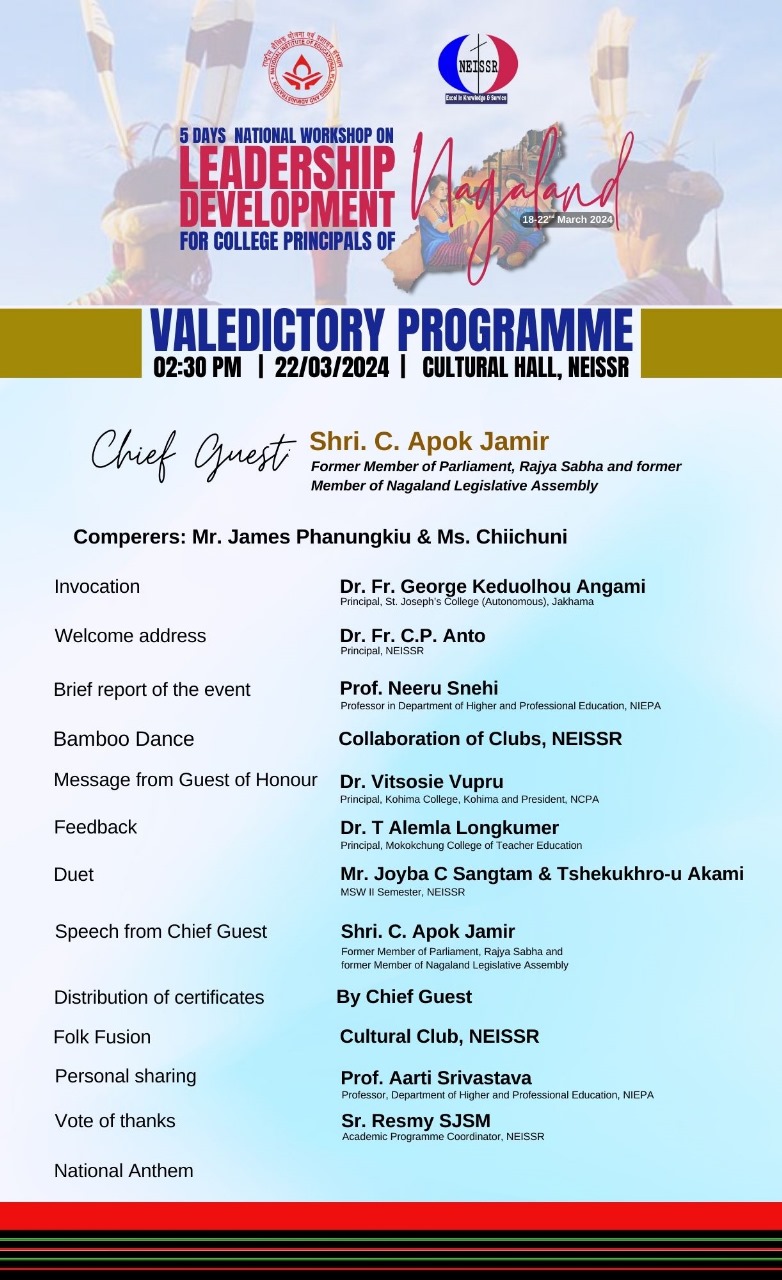
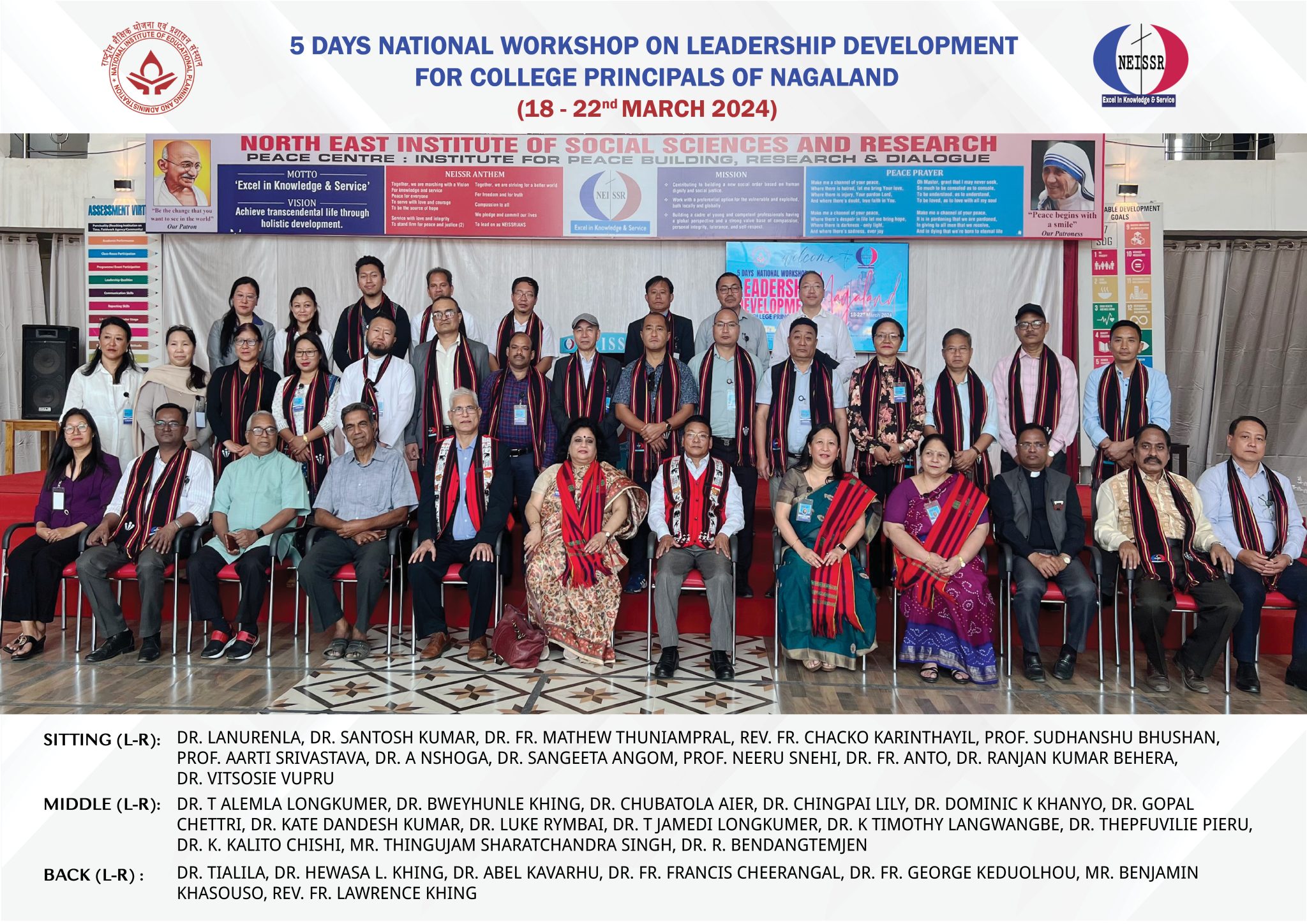
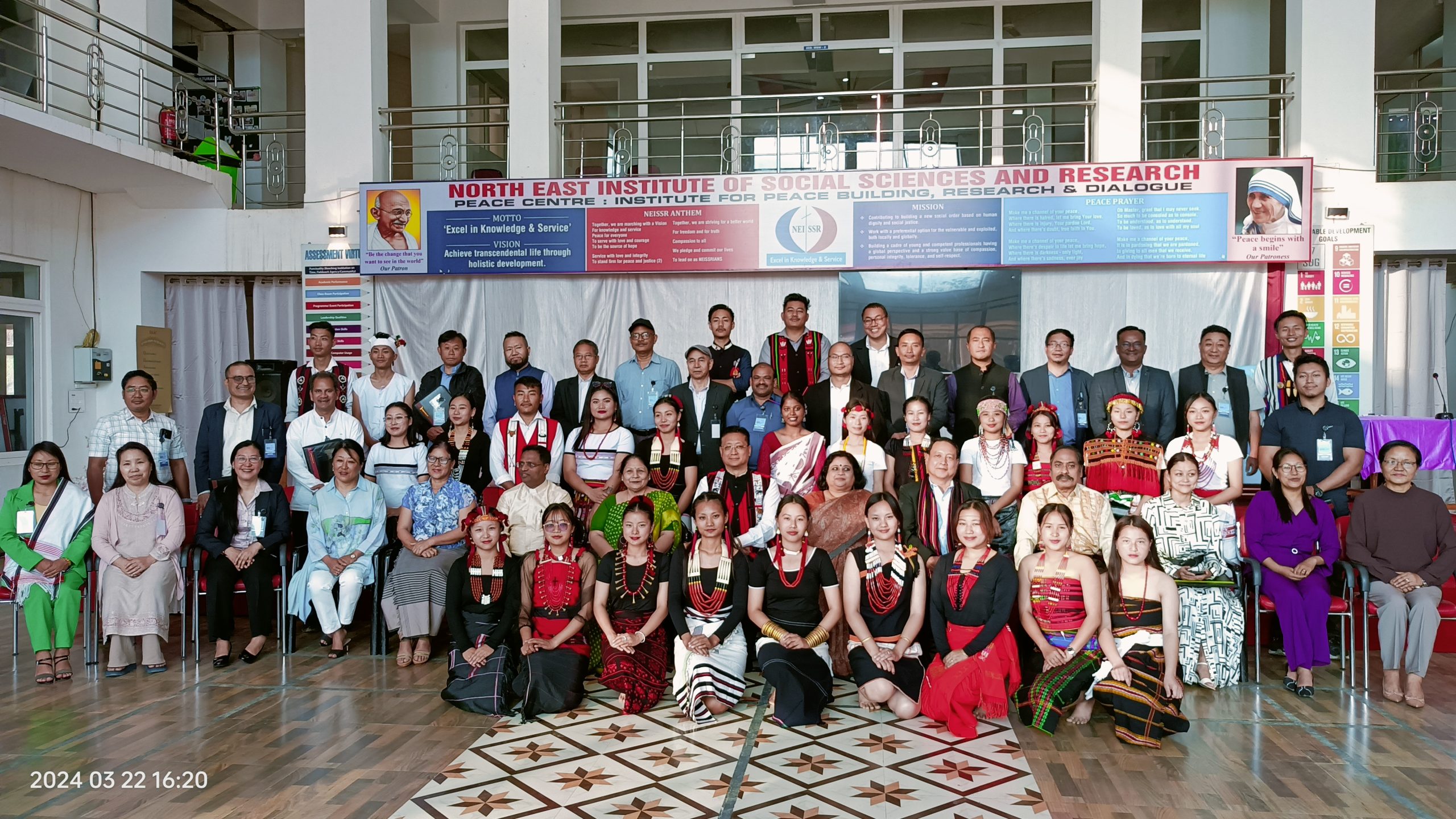
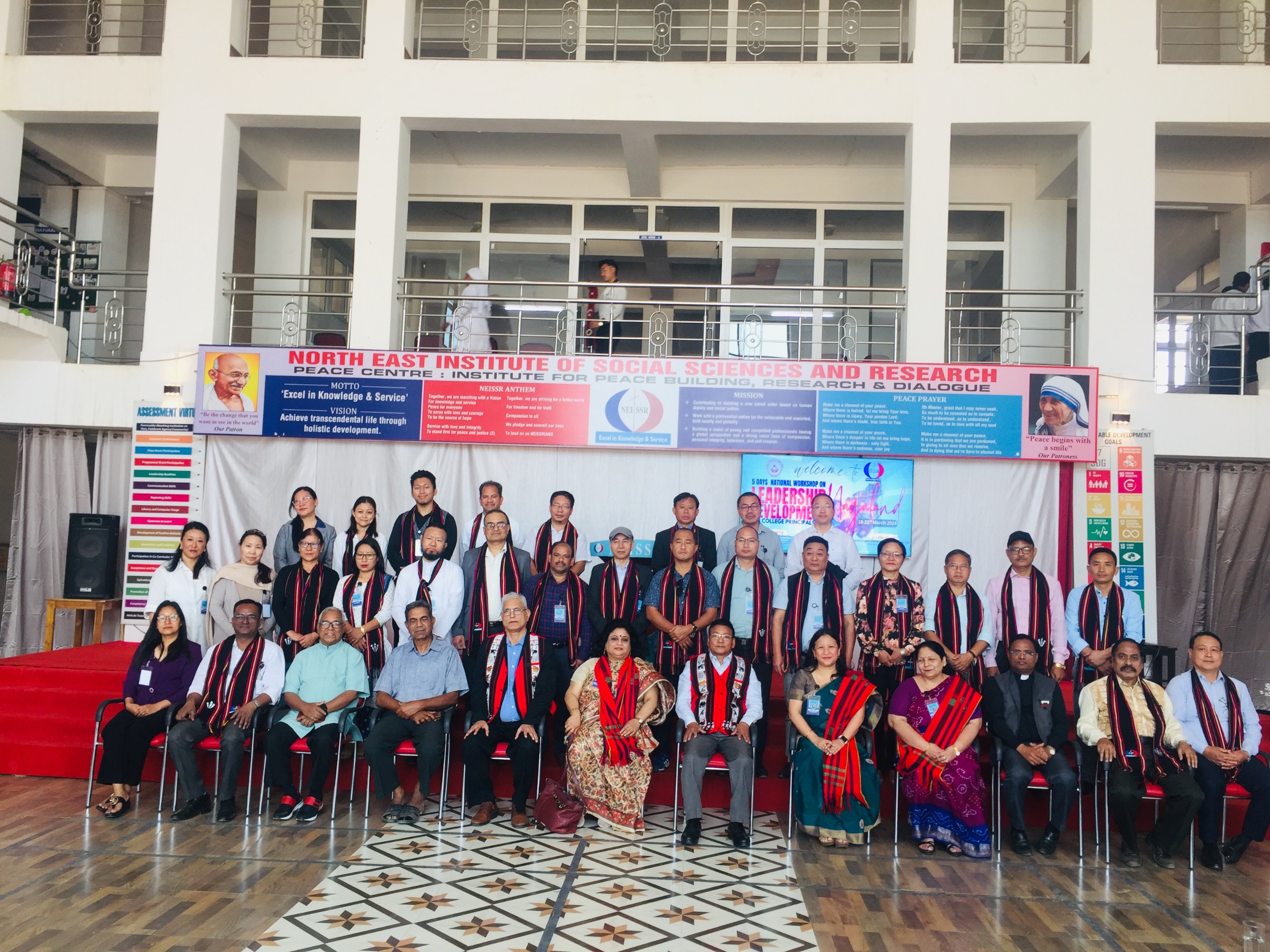
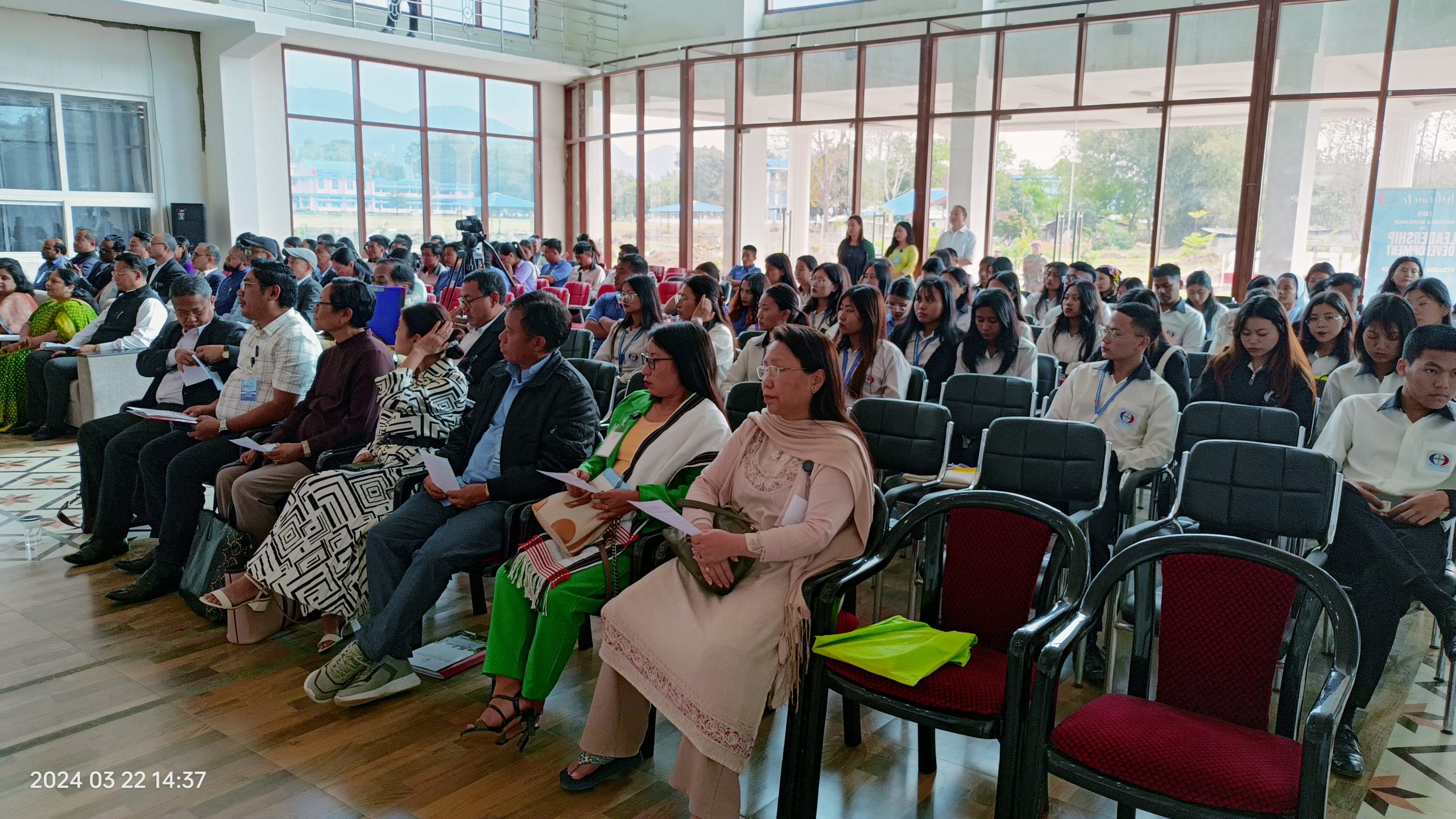
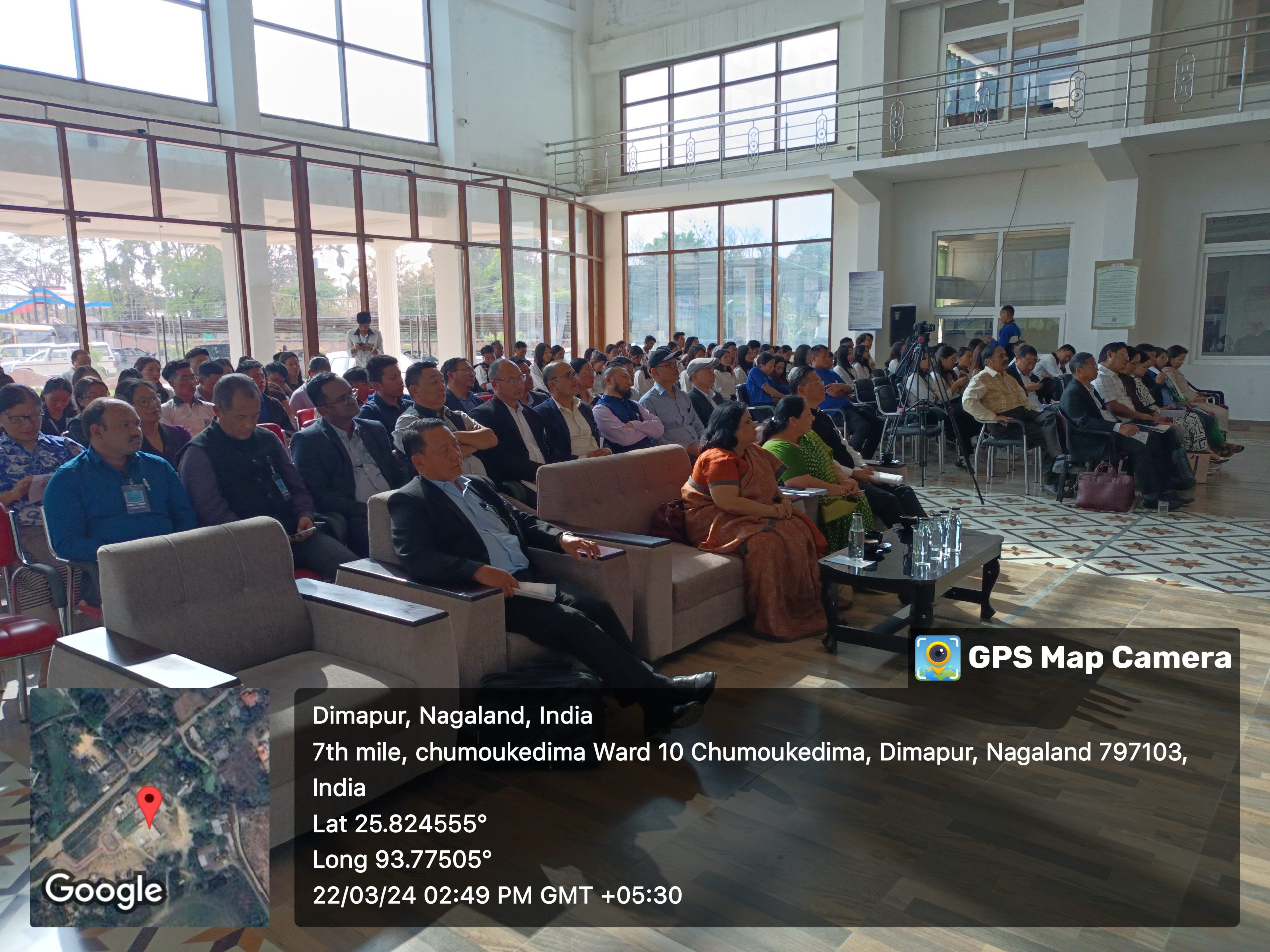
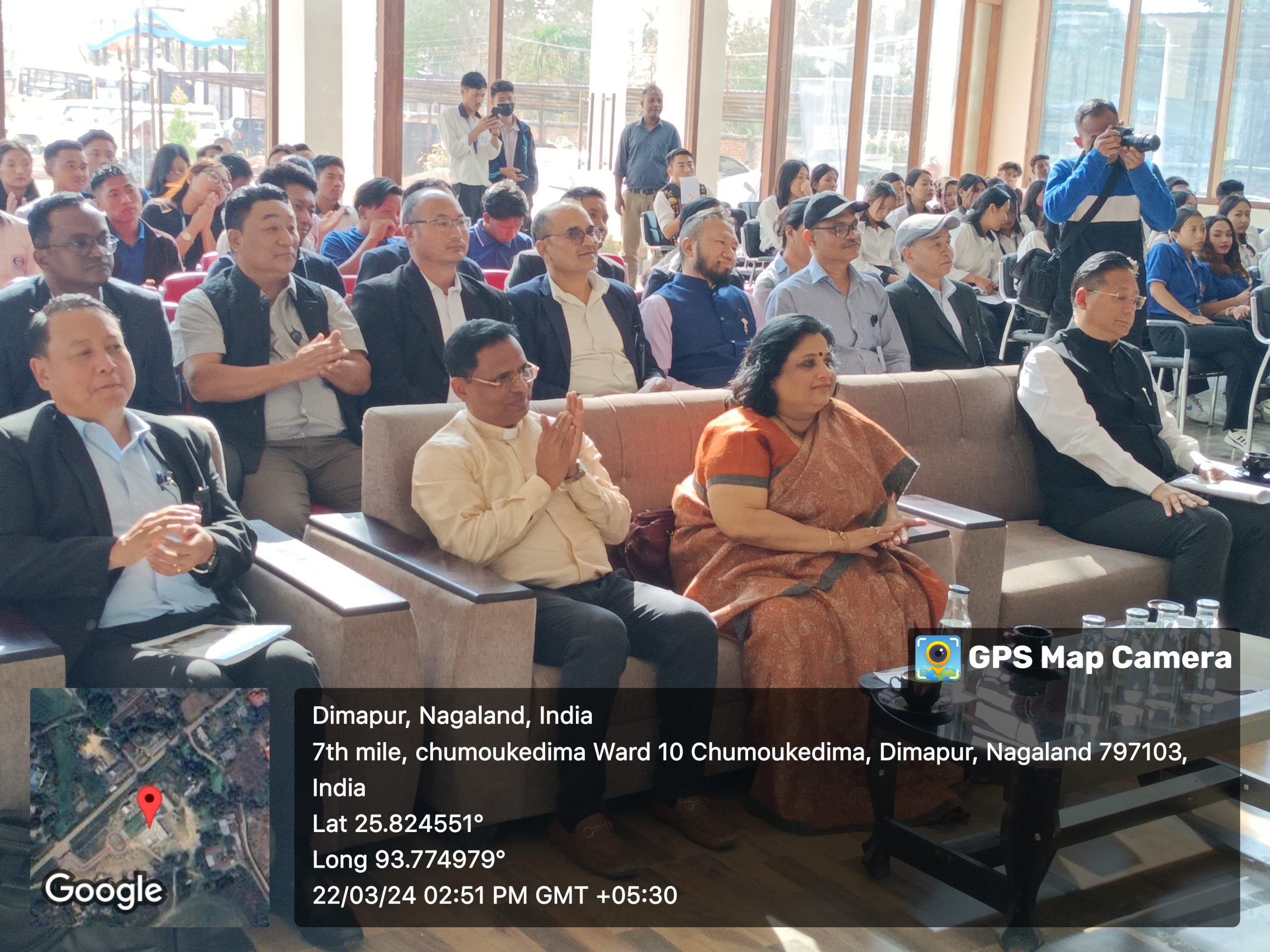
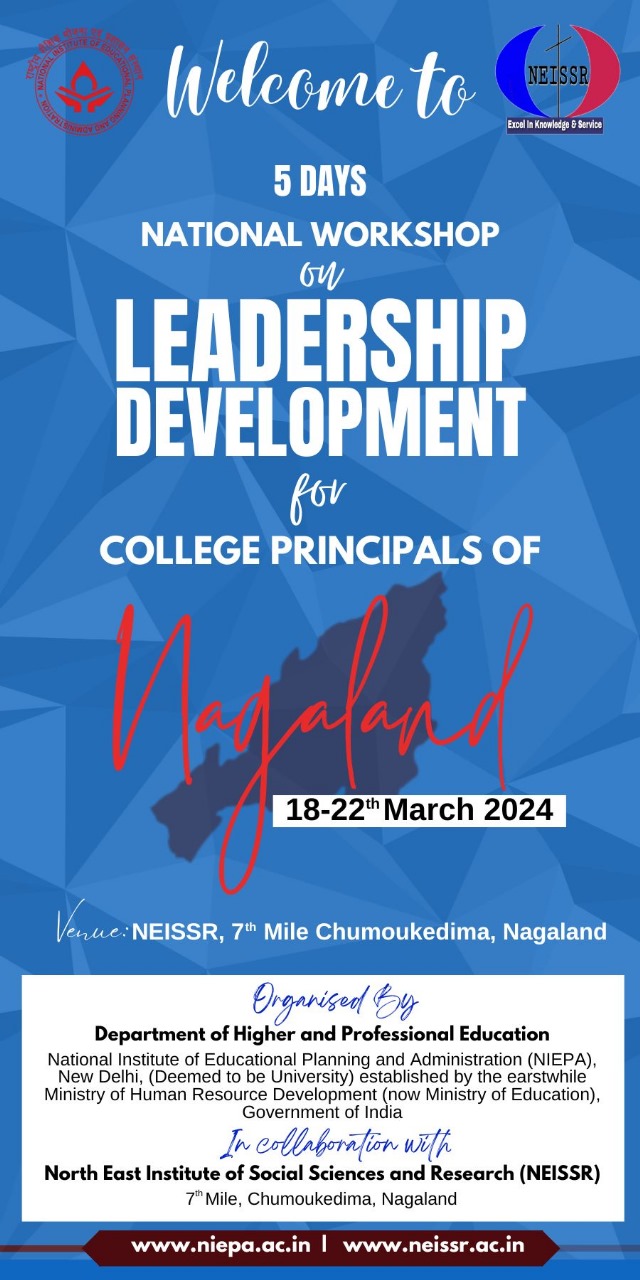
    5 DAYS NATIONAL WORKSHOP ON LEADERSHIP DEVELOPMENT 
    FOR COLLEGE PRINCIPALS OF NAGALAND

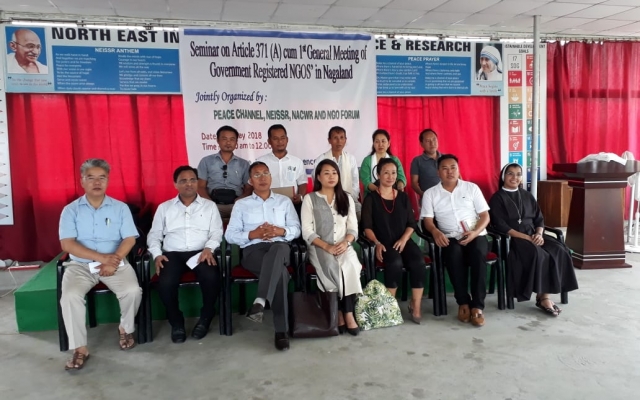
    NGO FORUM UNDER THE AEGIS OF PEACE CHANNEL, NEISSR AND NACWR CONDUCTED SEMINAR OF ARTICLE 371 (A)

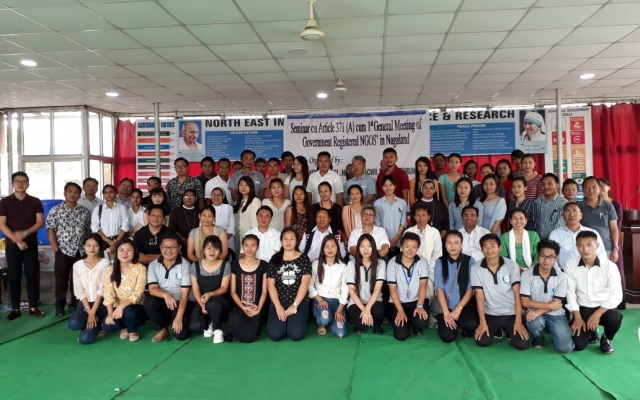
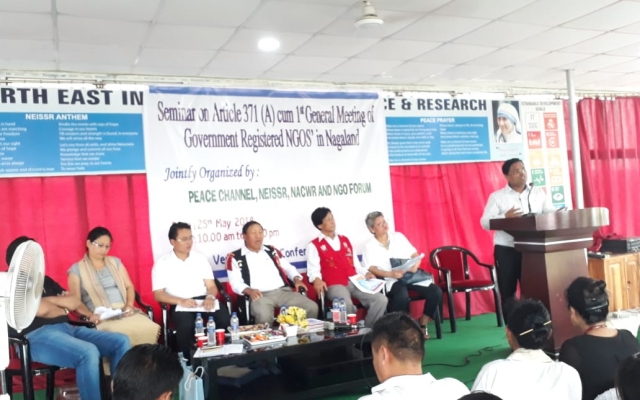
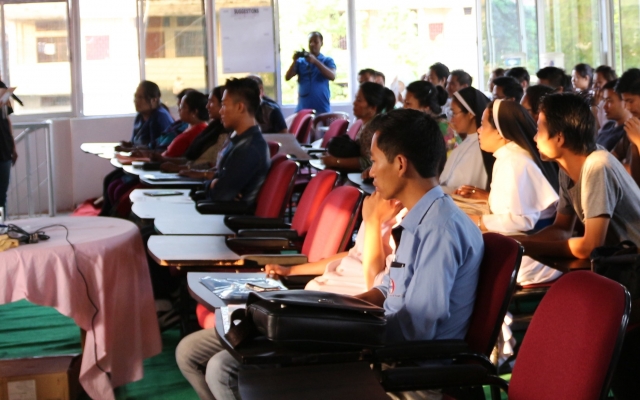
    Seminar on Article 371(A) cum 1st general meeting of Govt Recognized NGO’s in Nagaland was conducted on 25th May at NEISSER Conference hall organized by Peace Channel, NEISSR, NACWR and NGO forum with an objective to impart the man concept of Article 371(A). The programme was chaired by Dr. Hasheto Chishi, director of Indigenous cultural Society. All together 107 participants attended for the programme.
    Speaking on the occasion the resource person Dr. Luhevi Achumi, District and Session Judge (Retd), Head GB, Luhevi Village shared on the legal perspective on Article 371 (A) stating that four special provision are provided to the Nagas under the Article 371(A) viz. Religious on social practices of the Nagas, Nagas customary law and procedure, administration of Civil and Communal justice involving Decision according to Naga Customary Law, Ownership and transfer of land and its resources, shall apply to the state of Nagaland by a resolution to decide; by the Nagaland Legislative Assembly, however he added that the special power given to the governor with respect to law and order and the provision under Article 245(2) has the power to over role the special provision under Article 371(A).
    He also elucidated that during the olden days the Naga customary laws were used in settling cases or issues yet the people have became ignorant and were not aware of the customary law.
    Mrs. Monalias Changkijan, editor Nagaland Page, Speaking on her perspective said Article 371(A) is completely silent with the economic factor. There is no provision under Article 371 (A) on how the state can formulate the economy of the state. She also mentioned that Article 371 (A) protects our culture, customary laws. She further mentioned that Article 371(A) does not have anything on electoral laws stating that nowhere it is mentioned that the village authority or the GB’s can select a candidate for election to the state assembly, which the Nagas are practicing which are contrary or against the people’s representative Act. She also mentions the Naga laws and practice that preclude women from political status, land ownership, inheritance and how Nagas are practicing patriarchal in its present form.
    She further elucidated that the Naga women are being marginalized for centuries yet only men are privy to resources from the state, central, clans, tribal, land ownership etc. she added that, the women will get economic empowerment and the political power only when their rights and entitlements are provided.
    Speaking on the beneficiaries’ perspective, the President, GB’s Federation, Mr. Salim Konyak stated on the journey of the Naga’s struggle and how the Article 371(A) came into being. He also added that the Nagas bought the Article 371 (A) with blood; this article has protected the rights of the Naga and from being exploited. However on development, this has hampered a lot as Nagas are setting on top of the government. He also question why Nagas got Article 371 (A) and what they were doing with it.
    Speaking on the Respondent perspective Mr. Savi Liegise, Former President Naga council stated that Article 371(A) is a legal matter, he also emphasis on the four special provision mentioned by Dr. Luhevi Achumi. He added that Article 371 (A) is as good as independence but it has not been implemented in any logic as none has tasted the Article 371 (A) in its true perspective. He also stated that Nagaland is under a serious thread as Article 371 (A) a veto power of the state legislative assembly and if not modified at the earliest, everything will change and there will be a revolution. He also justified that Article 371 (A) is not to wage war with the government but to safeguard the Nagas as a whole. 
    Speaking on the Observer perspective Adv. Limanokchet stated that Article 371 (A) is a living words and not just a written documents, he also emphasized on women issues, taxation issues, judicial over-reach, marriage act etc. Mrs. Nungshirenla Aier, Advisor Naga Women Council, also spoke on the rights of the women stating that women are so much limited to the kitchen and are looked down therefore women should be empowered to protect their own rights both in socio-political status.
    The whole programme was moderated by Dr. Fr. CP Anto, Director, Peace channel and Principal of NEISSR. He concluded the session with a challenged to each woman to come out of the cocoon and bring a changed. He also encouraged the participants to educate the people by educating themselves first. 

  • Nosazol Charles Chaya receives Peace Award 2025

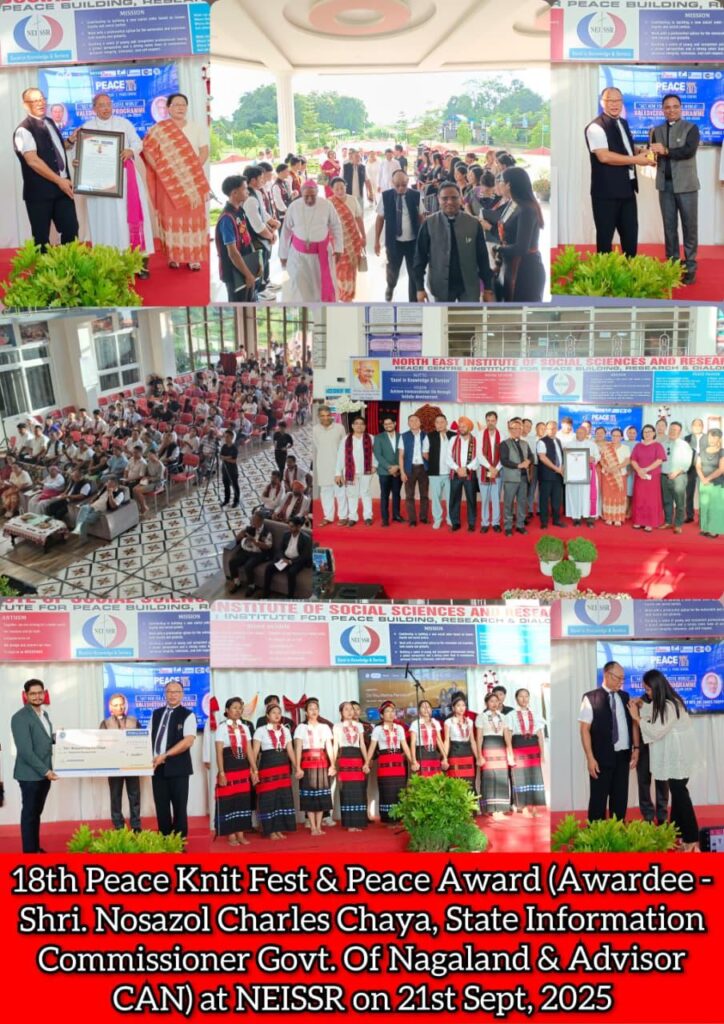
    The 18th Peace Knit Fest 2025, organized by Peace Channel and the North East Institute of Social Sciences and Research (NEISSR) in collaboration with the North Eastern Diocesan Social Service Society (NEDSSS), concluded on September 21 at the Peace Centre, 7th Mile, Chümoukedima. The event was held in observance of the International Day of Peace and was graced by Most Rev. Dr. James Thoppil, Bishop of Kohima, as the Chief Guest. Other dignitaries present included Shri. Videlalie Zashumo, IPS, Inspector General of Police (Admin), Shri Kekongchim Yimkhiung, State Information Commissioner and others. On the occasion, Shri. Nosazol Charles Chaya, State Information Commissioner, Nagaland Information Commission and Advisor, Catholic Association of Nagaland (CAN) was conferred the Peace Award 2025.

    In his address, Most Rev. Dr. James Thoppil emphasized that peacemaking is not an option but a divine mission, affirming that peace is upheld by every religion and must be pursued as a universal responsibility. He highlighted that peacebuilding is a gradual and continuous process that begins with small steps, much like nurturing a tree that requires care and patience to bear fruit. Stressing that peace must involve collective participation of churches, communities, leaders, and individuals, he reminded all that with God’s grace and sincere effort, peace is possible. Concluding, he urged everyone to be everyday agents of peace, building character and habits rooted in harmony.

    Peace Award recipient Shri. Nosazol Charles Chaya reflected on the honor as a learning step, noting that even the smallest gesture of kindness creates ripples of positive change. He emphasized honesty, forgiveness, and reconciliation over conflict and urged the youth to be torchbearers of peace and justice. Appreciating the visionary leadership of Dr. Fr. C. P. Anto and the Peace Channel team, he acknowledged their tireless efforts in transforming Peace Channel into a living movement of peace.

    A moving testimony was shared by Mr. Aloka Yeptho, a Peace Club member, who recounted how the platform provided him opportunities for workshops, dialogue, and mediation, shaping his leadership skills and perspective on empathy and compassion.

    On the occasion, Dr. Fr. C. P. Anto, Director of Peace Channel and Principal of NEISSR, urged the Government of Nagaland to establish a Commission for Peace and Justice to build sustainable communities rooted in dialogue and harmony. Acknowledging the invaluable support of religious leaders since Peace Channel’s inception, he reaffirmed that religion should unite people in peace, not divide them.

    The event saw launching of the Peace Channel App and a Peace Certificate Course. The fest witnessed a variety of peace-centered activities, including interfaith dialogue, peace celebrations, peer mediation sessions, mental health awareness programs, cultural presentations, and competitions. The much-awaited titles of the evening, Miss Peace Knit and Mr. Peace Knit, were awarded to Ms. Mughashi Achumi of St. Mary Hr. Sec. School, Padumpukhuri and Mr. Bokivi Yeptho of St. Joseph University, Chümoukedima, respectively.

    The program also featured invocation by Fr. Chacko Karinthayil, Governing Board Member, NEISSR, cultural songs by NEISSR’s Cultural Club and the Yimkhiung Cultural Team, and a special folk presentation by the Sumi group. The Peace Award ceremony was hosted by Ms. Elizabeth Pojar, Assistant Professor, while Mr. James Phanungkiu, Convenor, delivered the vote of thanks. The event was moderated by Ms. Tshekukhro-u Akami.

    The 18th Peace Knit Fest 2025 concluded with renewed calls for fostering compassion, inclusivity, and justice, reminding all participants that peace begins with each individual and extends to families, communities, and the world at large.

    https://www.easternmirrornagaland.com/nosazol-charles-chaya-receives-peace-award-2025

  • Dare to Dream: Youth Icons Share Entrepreneurial Journeys at NEISSR

    Dare to Dream: Youth Icons Share Entrepreneurial Journeys at NEISSR

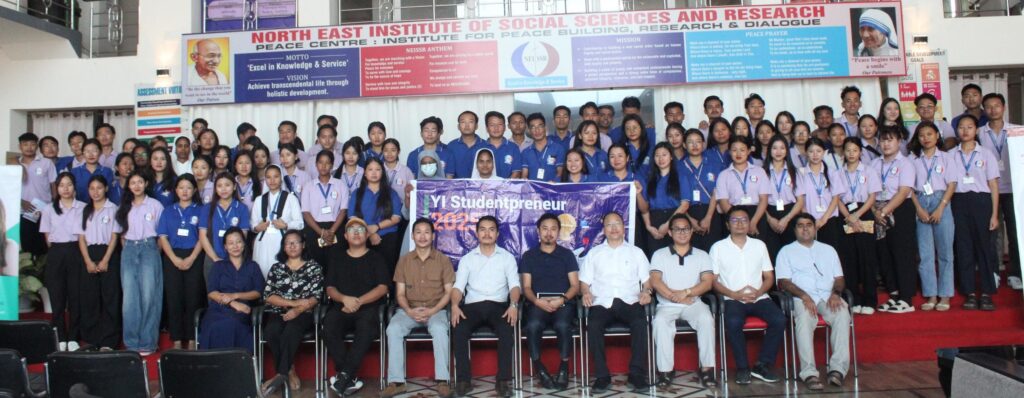
    North East Institute of Social Sciences and Research (NEISSR), Peace Centre, 7th Mile, Chumoukedima, Nagaland hosted an impactful awareness program on YI Studentpreneur 2025 in collaboration with Young Indians (Yi) on 5th April 2025 at the BAM Hall, Chümoukedima. The programmes featured prominent young entrepreneurs from Nagaland who shared their inspiring stories and innovative initiatives.

    Among the speakers was Mr. Atoho Kinimi, founder of Joldipabo Private Limited, who shared the motivation behind establishing a platform that addresses the common yet critical issues of space and service accessibility in urban centers like Kohima and Dimapur. His company assists individuals in finding and setting up commercial spaces such as shops, showrooms, PG accommodations, guest houses, homestays, restaurants, and also provides support for relocation and temporary stays.

    Mr. Lezo Putsure, founder of Educentre, spoke about his vision to empower youth through entrepreneurship and innovation. He highlighted Educentre’s mission to build a sustainable economy by fostering local talent, hands-on learning, and mentorship from seasoned professionals.

    Mr. Hinoto Chophy, founder of Gogivers, a recruitment venture, shared his journey of establishing a customer-centric platform that aims to address the high unemployment rate in Nagaland. By integrating technology and market insights, Gogivers is building a bridge between job seekers and recruiters, currently operating in Dimapur with future plans for expansion across the region.

    The event began with a warm welcome address by Rev. Fr. G. L. Khing, Vice Principal of NEISSR, who emphasized the importance of youth-driven innovation and the need for sustainable development in the region and concluded with a vote of thanks delivered by Ms. Paongnyu Konyak of MSW trainee.

    NEISSR Desk

  • Facilities

    Welcome to our institute. We strive to provide a holistic learning environment enriched with various facilities to cater to the diverse needs of students and staff. Here is a glimpse of the amenities we offer:


    Entrance: 
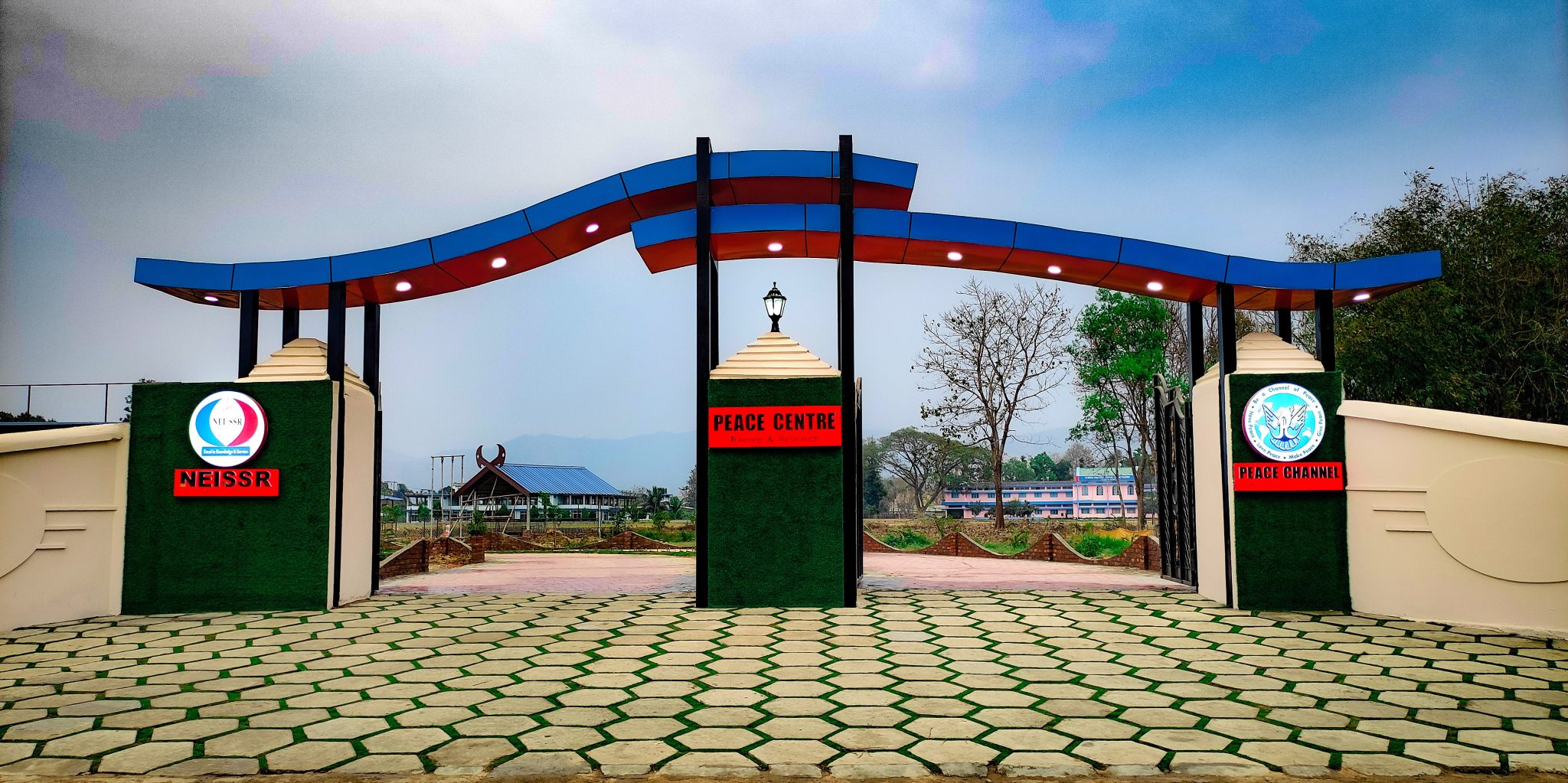

    Welcome to NEISSR – Gateway to Excellence and Transformation!

    As you step through our gates, you enter a realm of boundless opportunities, holistic education, and a commitment to shaping future leaders. Here at NEISSR, every path you take is towards growth, knowledge, and social change. Our vibrant campus, backed by a strong academic foundation and a nurturing environment, welcomes students from all walks of life. Join us in this transformative journey where passion meets purpose, and every day is an opportunity to make a positive impact in the world. Welcome to a place where your future begins!

    Peace Centre: 
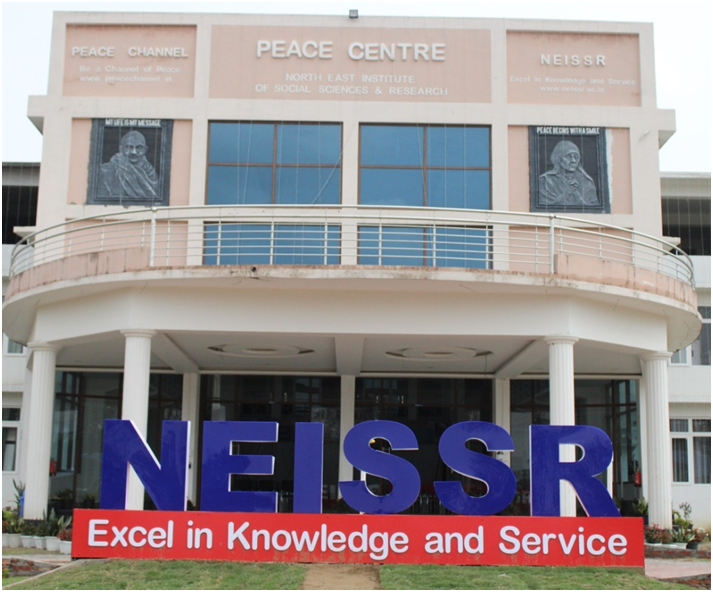
    A serene space dedicated to fostering peace, mindfulness, and inner reflection.

    Peace Channel: 
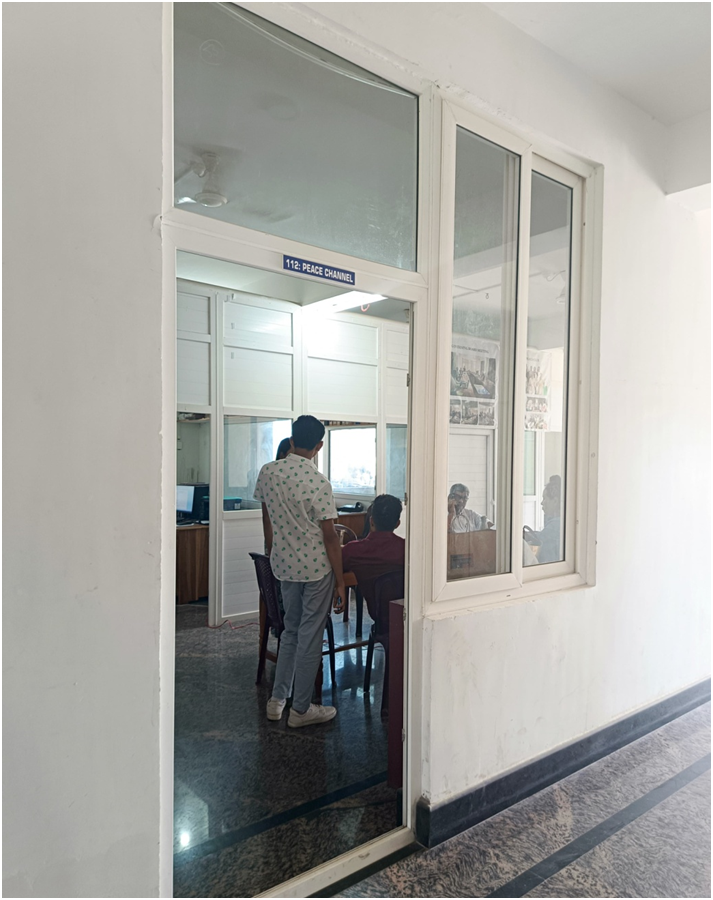
    An avenue for promoting peace education, dialogue, and conflict resolution initiatives.

    The Peace Channel, based in Chumoukedima, is a youth-led movement focused on fostering a culture of peace in Northeast India. Founded by Rev. Dr. C.P. Anto in 2005, it empowers youth through programs like Peace Clubs, Peer Mediation, and the People’s Forum for Peace. The movement promotes conflict transformation, non-violence, and interfaith harmony, engaging over 100,000 youth in peacebuilding activities. The Peace Channel also offers certificate programs in Peace and Conflict Studies, alongside organizing interfaith dialogues and peace awards. Its holistic approach supports community development, making significant contributions to peace and social cohesion in the region.

    Vedhik IAS Coaching: 

    Centre for Civil Service Examinations The NEISSR Vedhik IAS Coaching Centre offers comprehensive and affordable training for students aspiring to crack the prestigious UPSC Civil Services Examination. With a team of experienced mentors, the center provides a well-structured curriculum, personalized guidance, and extensive study materials, empowering students to excel in every stage of the examination. The coaching is tailored to suit diverse learning styles, focusing on conceptual clarity, critical thinking, and exam strategy. The Vedhik IAS Coaching Centre reflects NEISSR’s commitment to nurturing future leaders by offering high-quality education at an affordable cost, ensuring every student has the opportunity to achieve their civil services dreams.
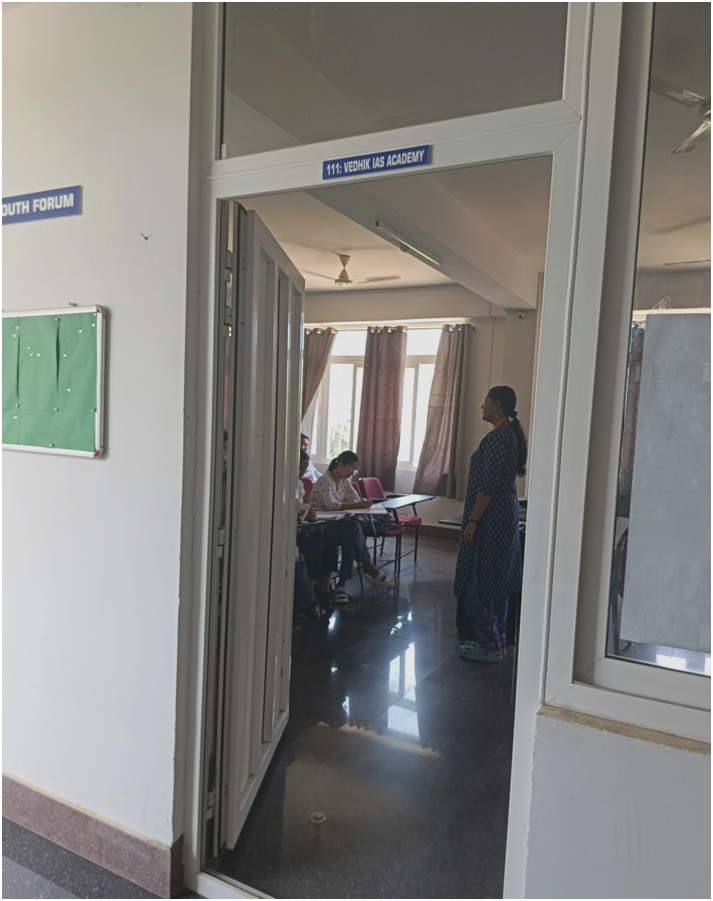

    Computers lab: 
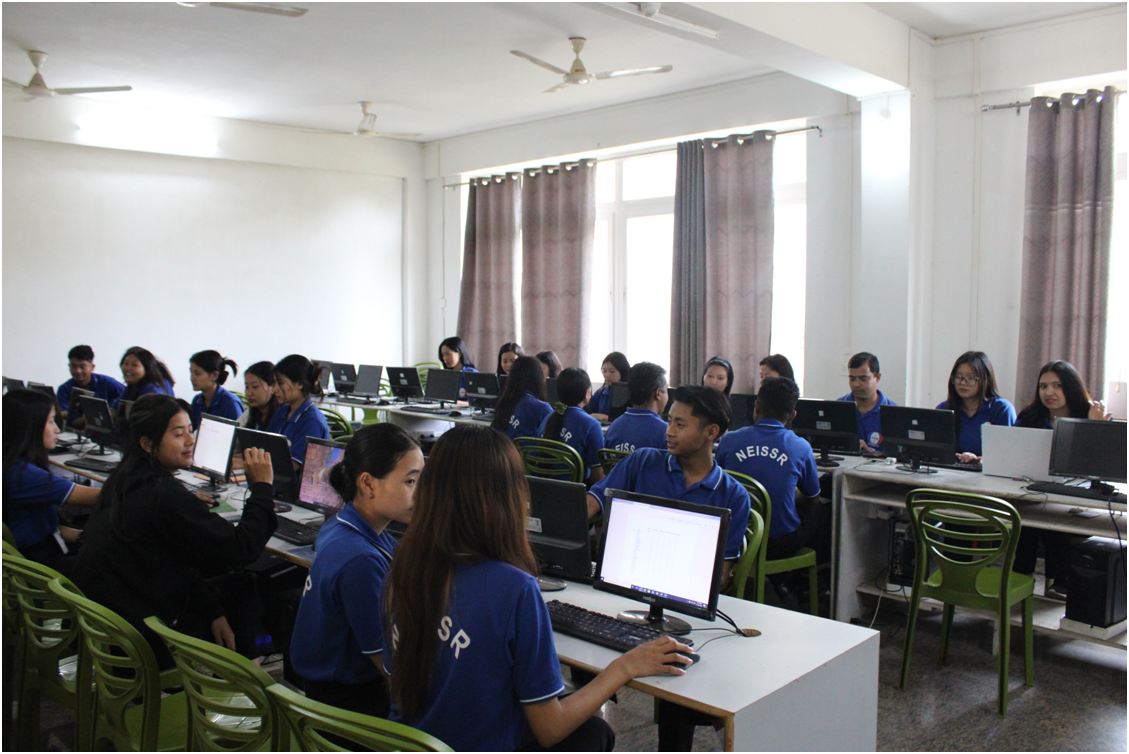
    State-of-the-art computer facilities  

    The NEISSR Computer Lab is a modern, well-equipped facility designed to support the academic and research needs of students. With high-speed internet, up-to-date software, and individual workstations, the lab provides a conducive environment for learning, digital research, and skill development. All computer-related courses are offered at an affordable cost, ensuring accessibility for every student. Whether for assignments, projects, or online resources, the lab ensures students have access to the latest technological tools to enhance their academic experience. Its spacious layout and efficient management make it an ideal space for both independent study and collaborative work, reflecting NEISSR’s commitment to accessible education.


    Gazebo: 
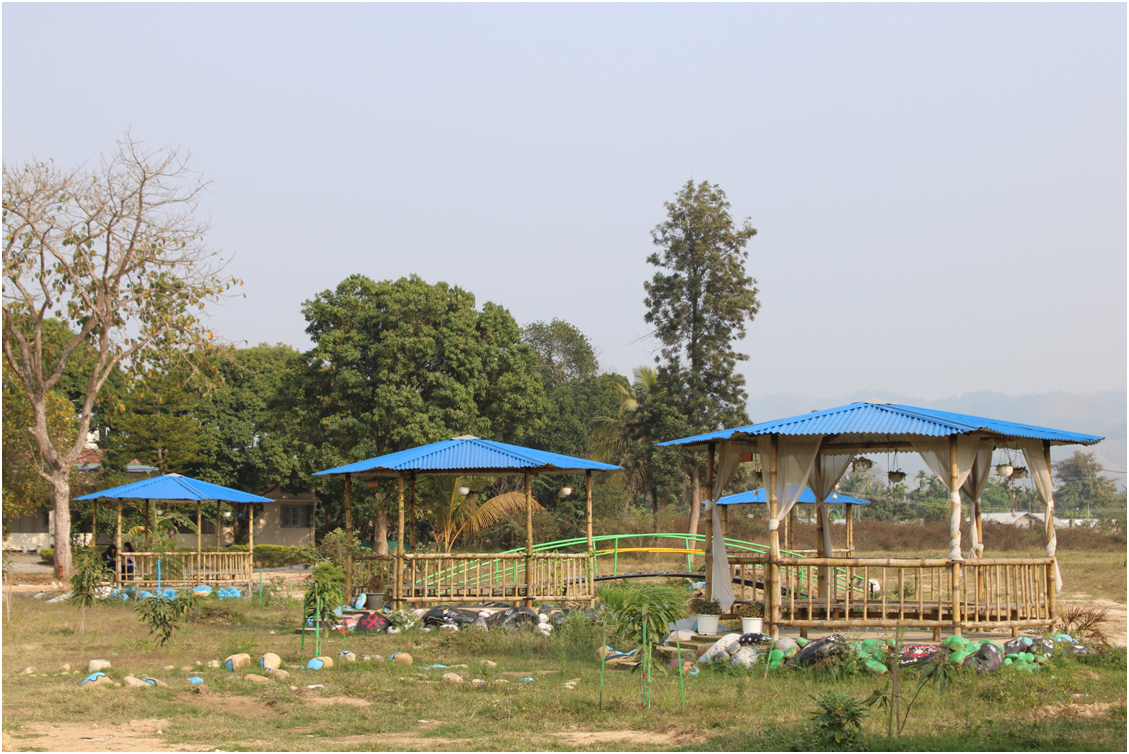
    A charming outdoor structure for discussion, relaxation, informal gatherings, and to be one with nature.

    NEISSR Gazebos are serene, open-air spaces designed to enhance campus life and foster a sense of community. Open to everyone, these charming gazebos provide the perfect setting for a variety of activities—from case work and group discussions to casual chatting and relaxation. Surrounded by nature, they offer a peaceful retreat for students and faculty to collaborate, brainstorm, or simply unwind. Ideal for group work or individual reflection, the gazebos support both academic and social engagement. This thoughtful addition to the campus reflects NEISSR’s commitment to creating a balanced, stimulating, and inclusive environment for personal and intellectual growth.


    Open Gym: 
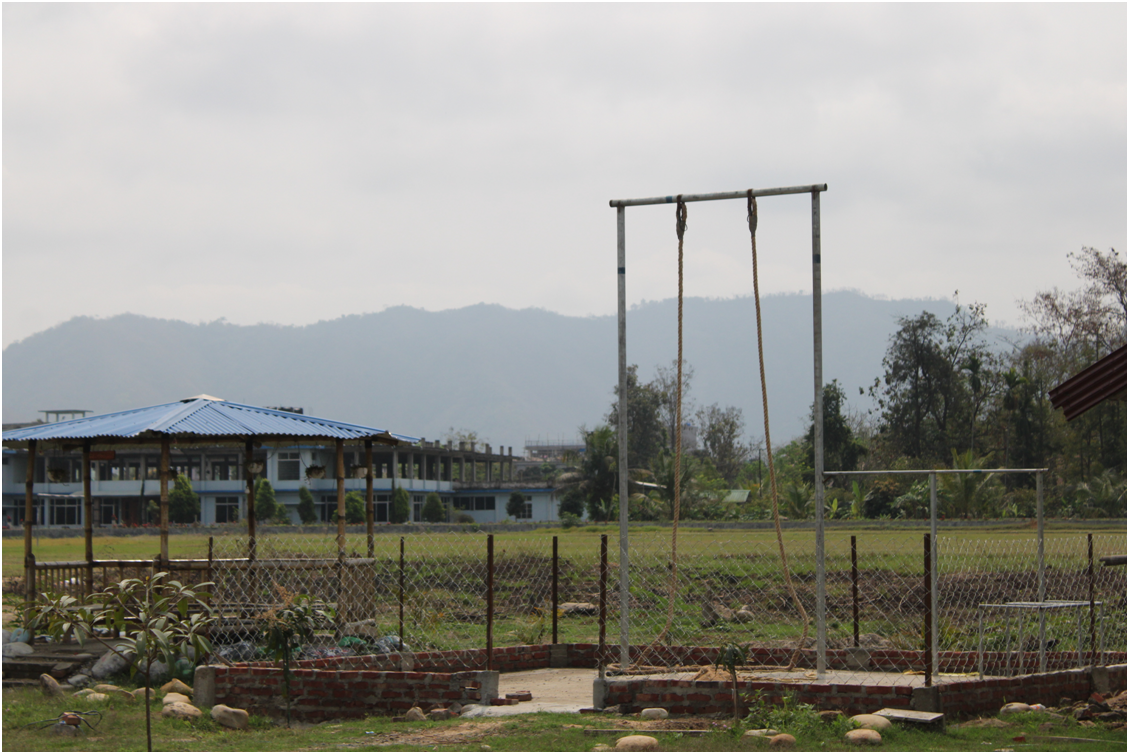
    An outdoor fitness area for students and staff to engage in physical exercise and promote a healthy lifestyle. 

    NEISSR Open Gym is a state-of-the-art fitness facility designed to promote physical health and well-being for all students and staff. Open to everyone on campus, it provides a welcoming space for individuals of all fitness levels to engage in exercise, stress relief, and overall wellness. Equipped with modern gym equipment and a spacious workout area, the Open Gym encourages a balanced lifestyle and fosters a culture of fitness and personal development. Whether for strength training, cardio workouts, or post-class relaxation, the NEISSR Open Gym is an integral part of the institute’s commitment to holistic student growth and health.

    Playground

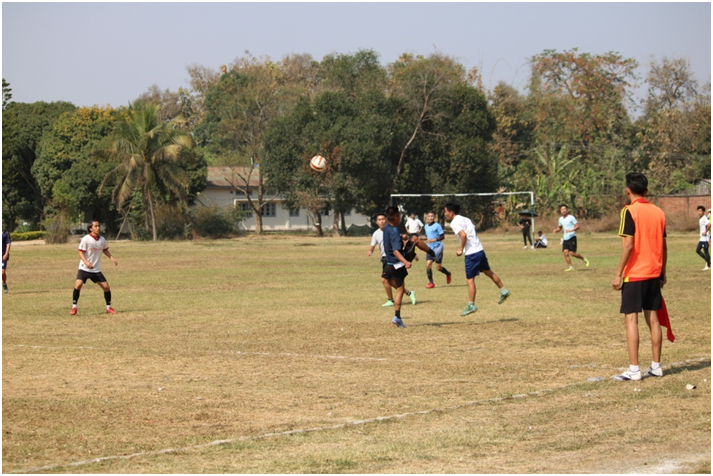
    A spacious area equipped with sports facilities for various recreational activities and sports events.


    Conference Hall: 
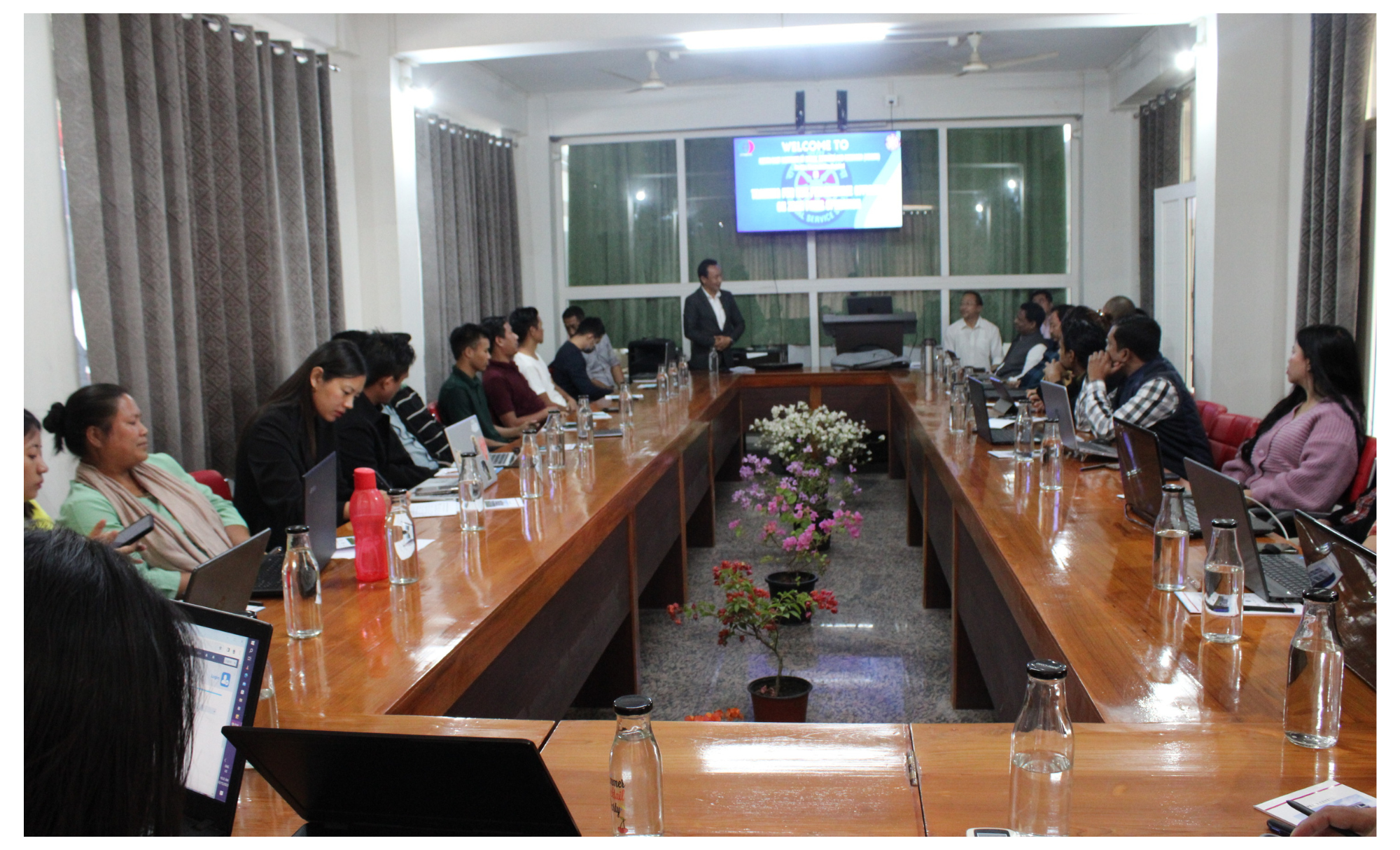
    A versatile space for hosting seminars, workshops, and academic conferences.

    The NEISSR Conference Hall is a state-of-the-art facility designed to host academic, professional, and inter-institutional events with excellence and elegance. Fully air-conditioned and equipped with a high-resolution Smart Board, the hall offers an ideal environment for seminars, conferences, workshops, and high-level meetings. Its modern acoustics, comfortable seating, and digital integration create a seamless experience for both in-person and hybrid gatherings. The hall reflects NEISSR’s commitment to innovation, dialogue, and collaboration, providing a professional setting that inspires meaningful exchange of ideas, critical thinking, and visionary leadership in the field of social sciences and beyond.


    Peace Library: 
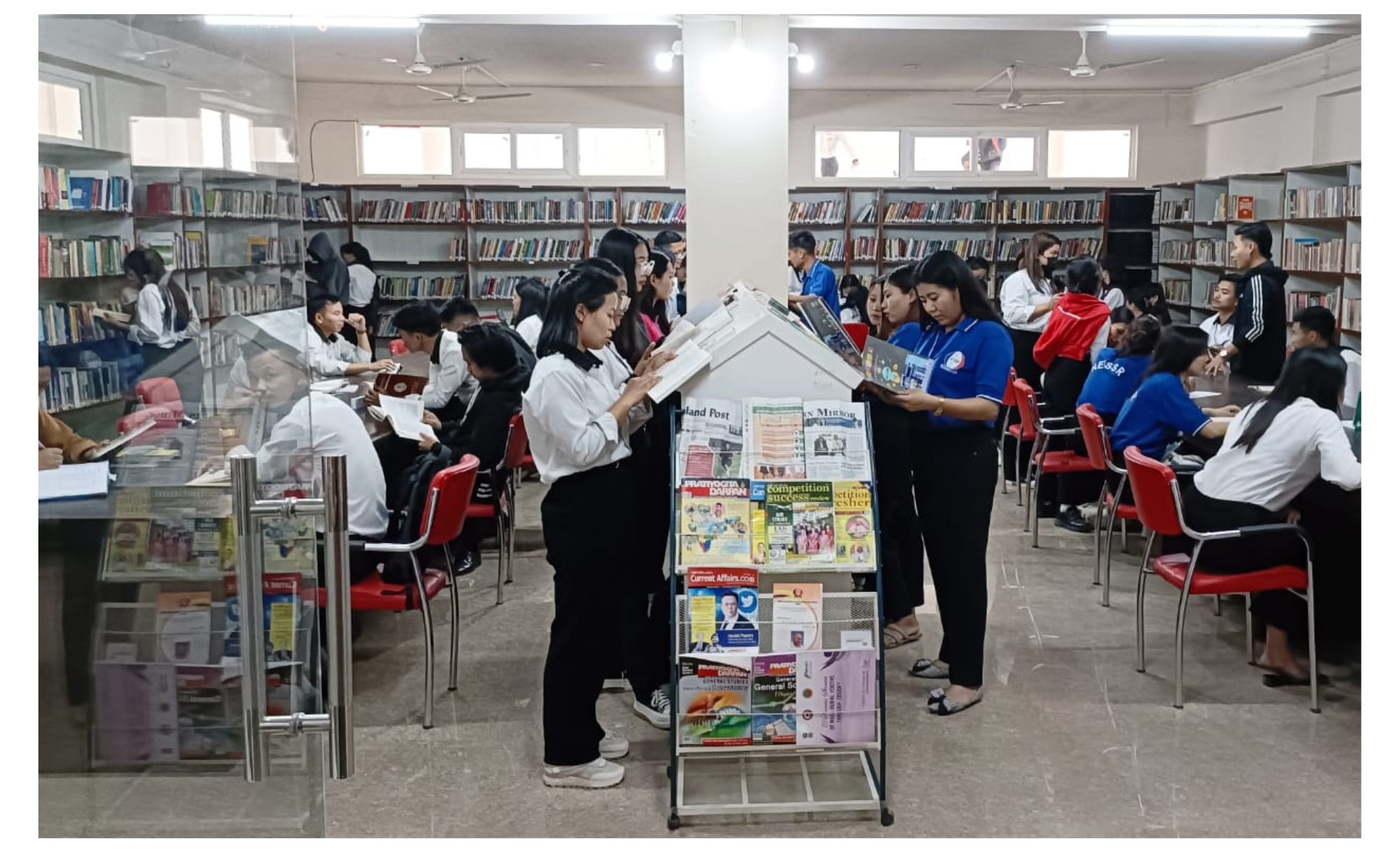
    A treasure trove of knowledge with a vast collection of books, journals, and digital resources. 

    Peace Library stands as a vibrant hub of knowledge, empowering students, researchers, and faculty in their academic and professional pursuits. Richly stocked with an extensive collection of books, journals, research papers, and digital resources, it reflects the institution’s commitment to holistic education. With a serene environment, dedicated reading zones, and user-friendly digital catalogues, the library fosters a culture of learning, critical thinking, and intellectual growth. Regularly updated with the latest titles in social sciences and beyond, the Peace Library is not just a place for reading—it is a gateway to innovation, inquiry, and transformative education.


    Bishop Abraham Memorial Hall: 
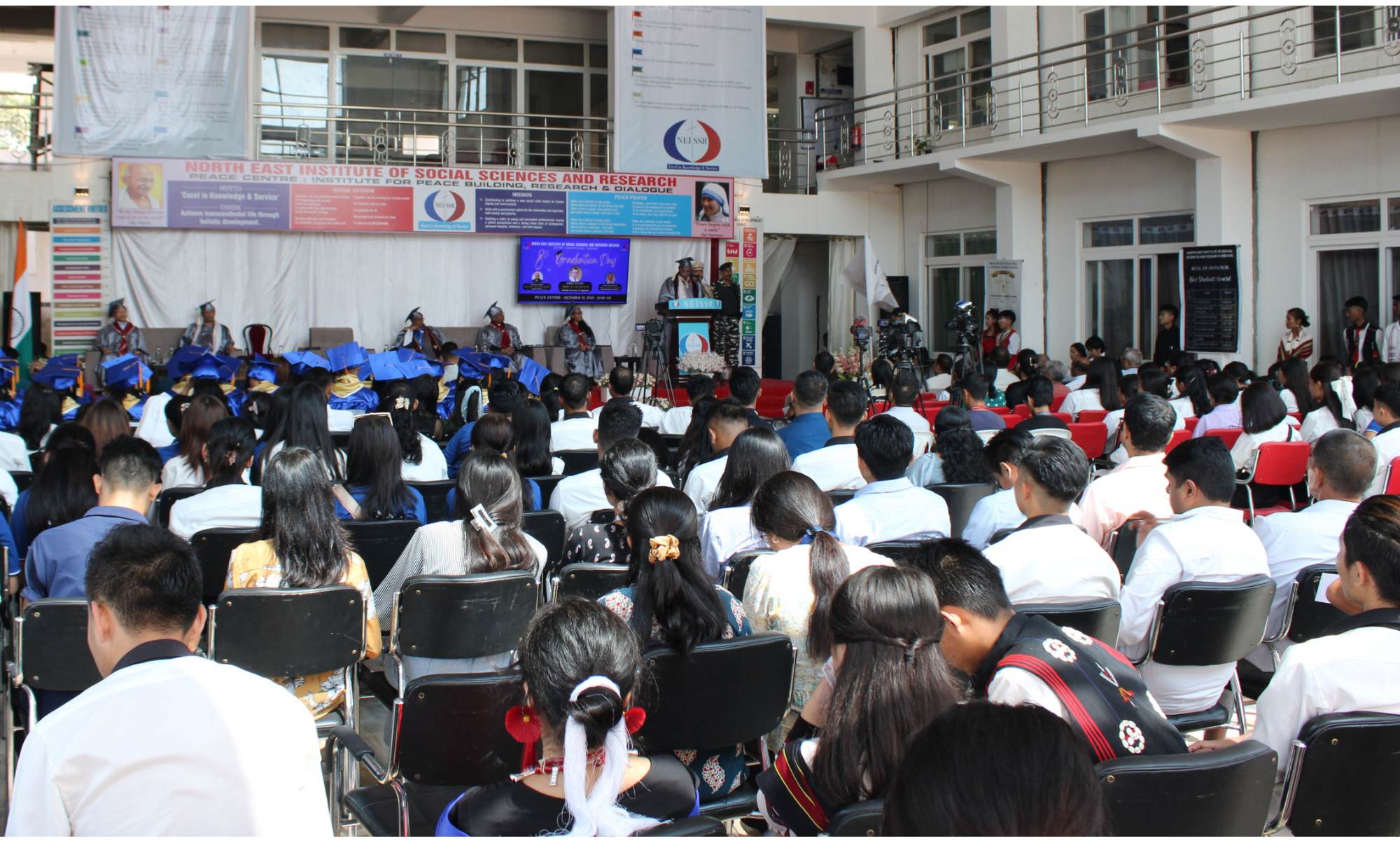
    A multifunctional space for events, performances, and community gatherings. 

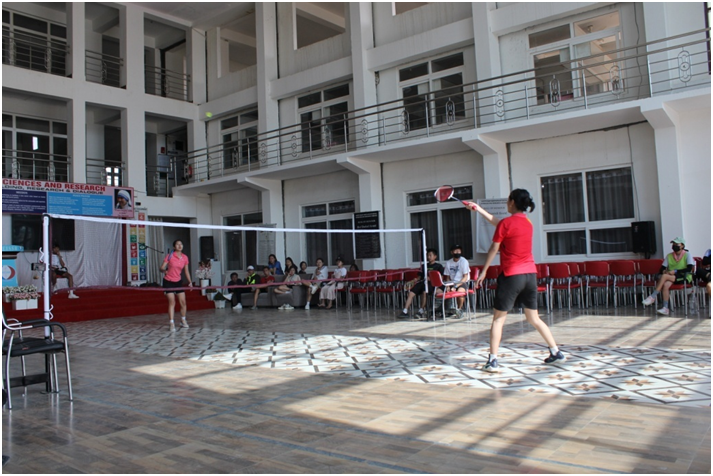
    The NEISSR BAM Hall is a state-of-the-art indoor stadium with a seating capacity of 500, designed to host conferences, sports events, cultural programs, and academic gatherings. Equipped with world-class infrastructure, it features centralized air-conditioning, professional acoustics, a Smart Board, and advanced audio-visual systems. Its versatile indoor flooring supports various sports activities, making it a hub for both intellectual and physical development. The hall reflects NEISSR’s commitment to excellence, leadership, and community engagement. Whether for seminars or youth conventions, the BAM Hall offers an inclusive space that fosters collaboration, innovation, and holistic growth in a professional environment.


    Canteen: 
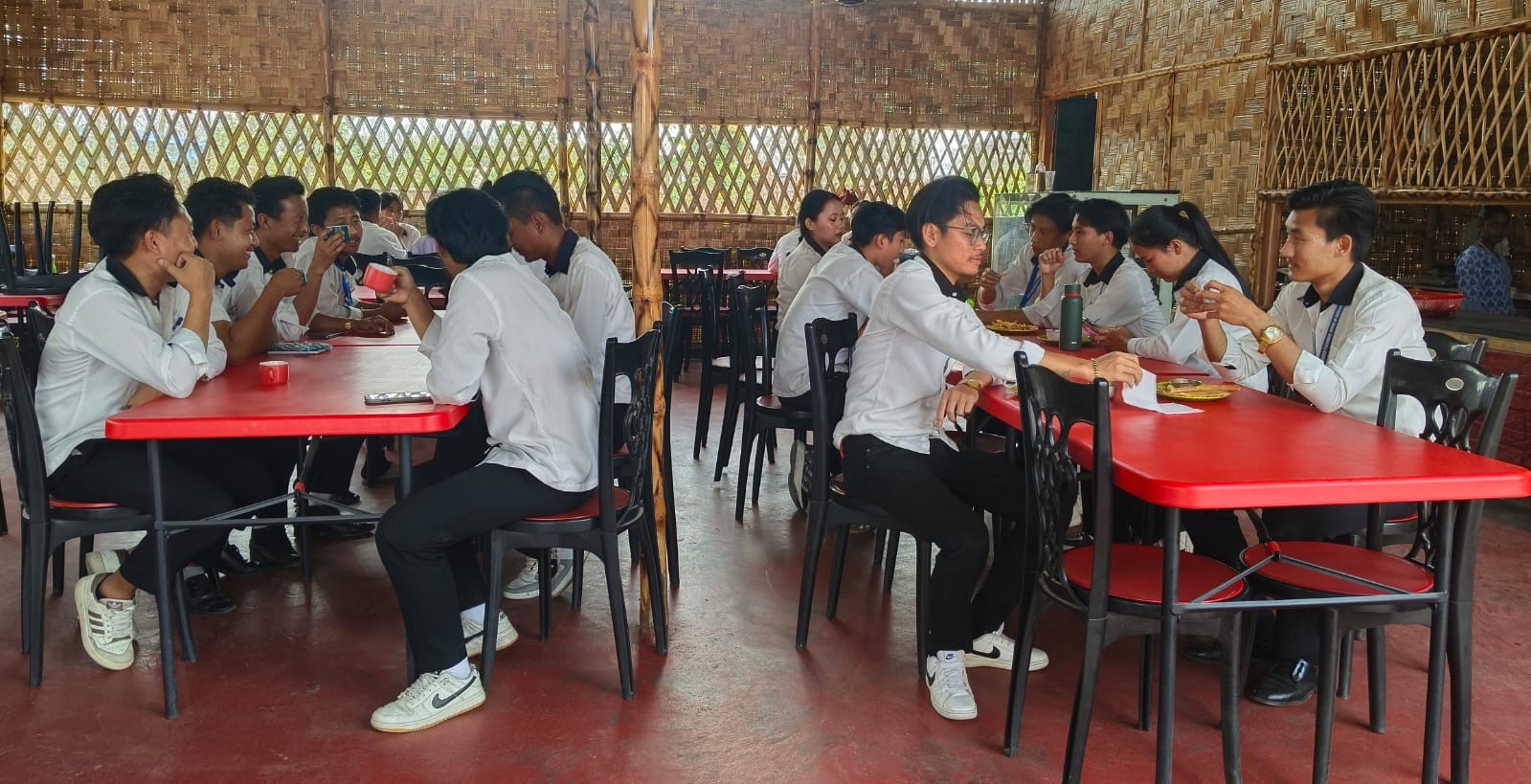
    A hub of culinary delights offering delicious and nutritious meals for students and staff. 

    The NEISSR canteen offers a hygienic, affordable, and student-friendly dining experience, making it an integral part of campus life. Set in a cool and airy environment, it serves freshly prepared meals and snacks that cater to diverse tastes and dietary needs. The canteen maintains high standards of cleanliness and food safety, ensuring quality and health with every bite. With its calm ambiance and cheerful service, it provides the perfect spot for students to relax, connect, and recharge. Canteen reflects the institution’s commitment to student well-being and a vibrant campus experience.

    Administrative Office: 
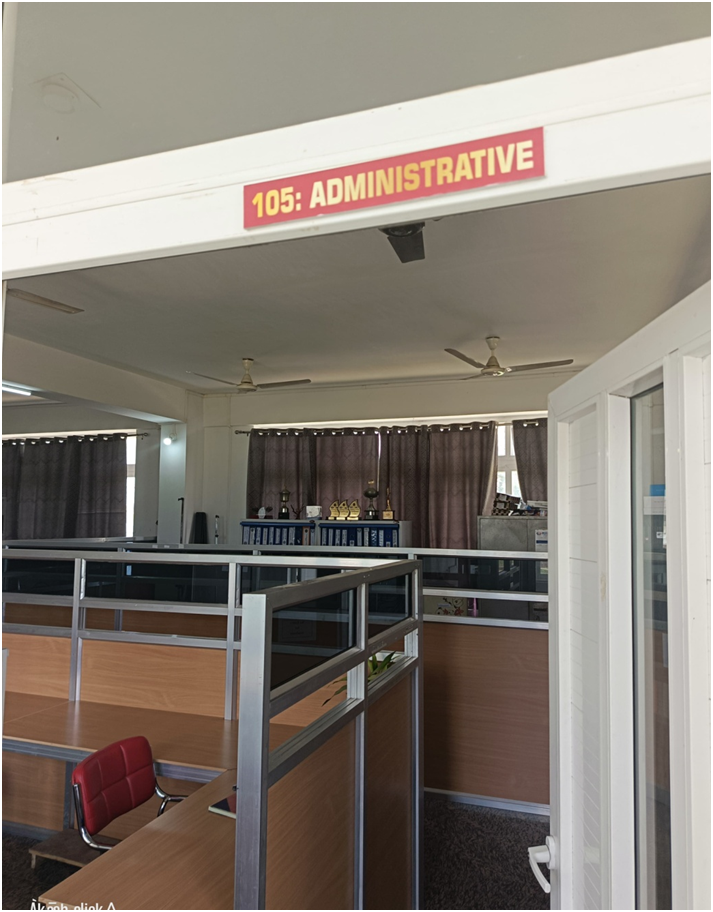
    The nerve center of the institute’s operations, providing support and assistance to students and staff.

    The NEISSR Administrative Office is the hub of efficient coordination and smooth institutional functioning. With a dedicated and responsive team, it ensures timely support for academic, student, and faculty needs. Upholding professionalism and transparency, the office plays a vital role in maintaining the institute’s excellence, discipline, and overall operational harmony.

    IQAC Office: 
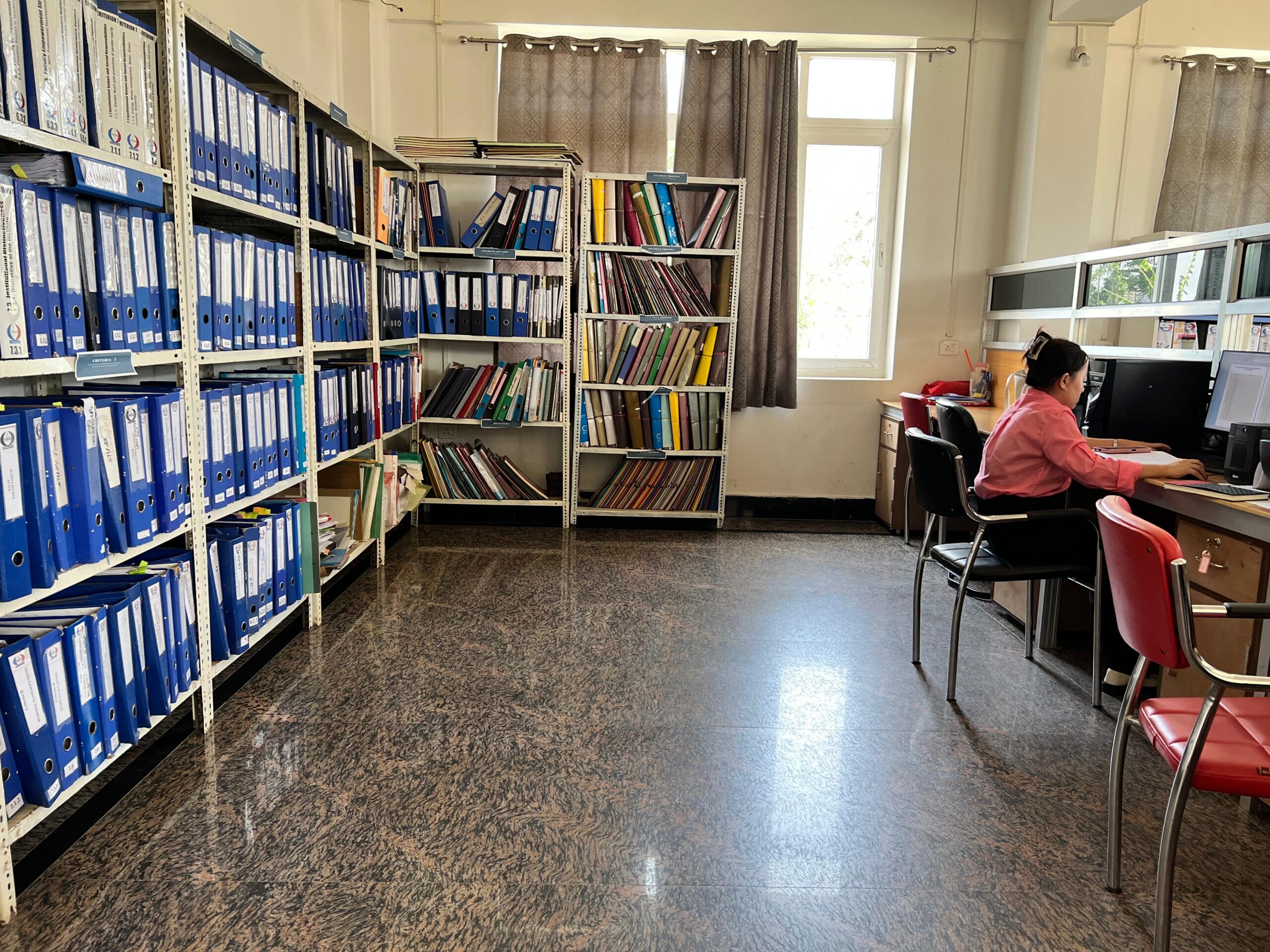
    Ensuring quality assurance and continuous improvement in all aspects of academic and administrative functions.

    The NEISSR IQAC office serves as the backbone of quality enhancement and academic excellence. It fosters a culture of continuous improvement, innovation, and accountability through systematic planning and evaluation. Committed to upholding high standards, the IQAC ensures that NEISSR delivers impactful education, research, and community engagement with integrity and purpose.

    Account Section: 
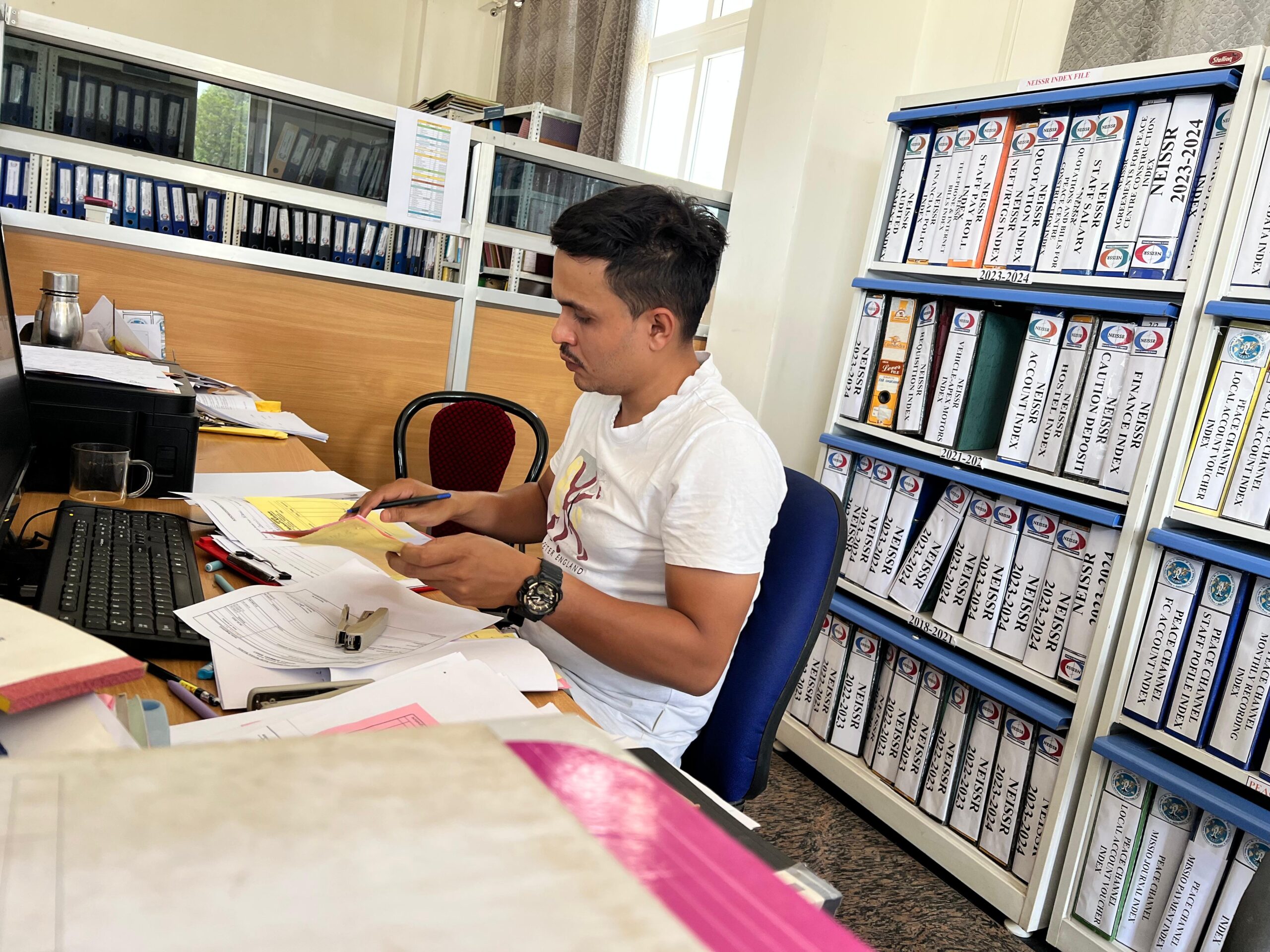
    Responsible for financial transactions, budgeting, and financial reporting with transparency.

    The NEISSR Accounts Section ensures transparent, efficient, and student-friendly financial services. Managed by a professional and approachable team, it handles fee processes, scholarships, and financial records with accuracy and integrity. The section’s commitment to accountability and support reflects NEISSR’s dedication to a smooth and trustworthy academic journey for every student.

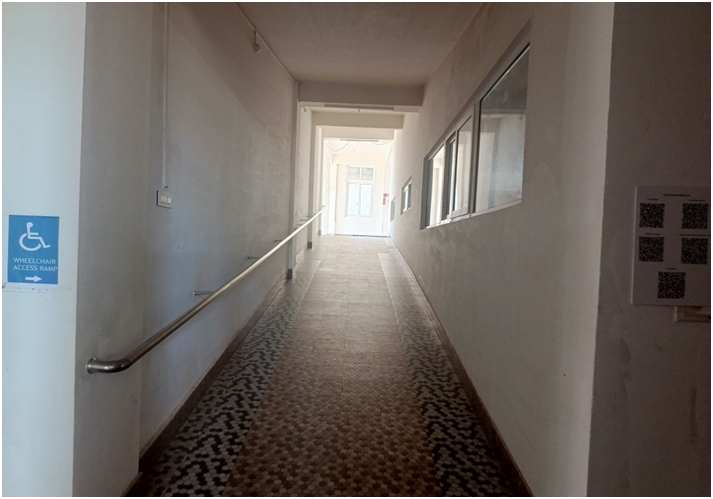
    Disability-friendly Ramp: 
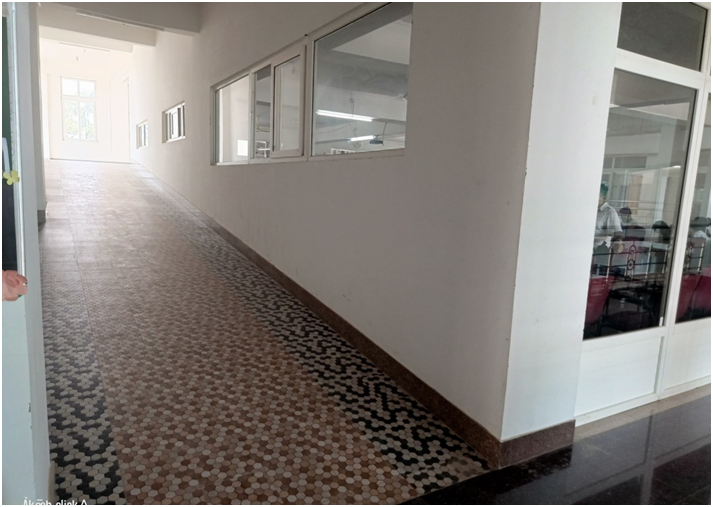
    Ensuring accessibility for all individuals, including those with disabilities.

    NEISSR is committed to creating an inclusive and accessible learning environment for all. The institute features a thoughtfully designed ramp that ensures barrier-free access to classrooms, the library, and key facilities for individuals with disabilities. This initiative reflects NEISSR’s dedication to inclusivity, dignity, and equal participation in academic and co-curricular life. By promoting universal design and accessibility, the ramp stands as a symbol of the institute’s core values—compassion, respect, and justice. It not only supports students with mobility challenges but also fosters a culture of empathy, awareness, and collective responsibility within the campus community.

    Herbal Garden: 
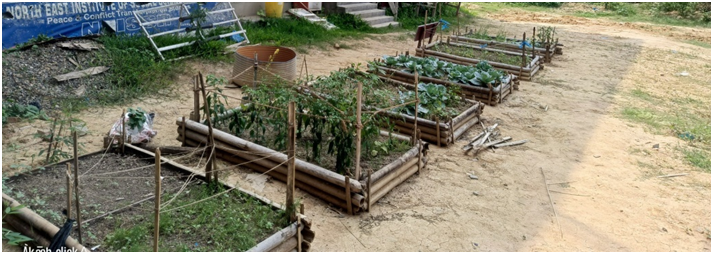
    A green oasis promoting biodiversity, sustainability, and herbal medicine research.

    NEISSR’s Herbal Garden is a vibrant green space that promotes biodiversity, sustainability, and herbal medicine research. It serves as a living laboratory for students and researchers, fostering hands-on learning and exploration of medicinal plants. The garden reflects NEISSR’s commitment to environmental stewardship and holistic education.

    Rainwater Harvesting: 
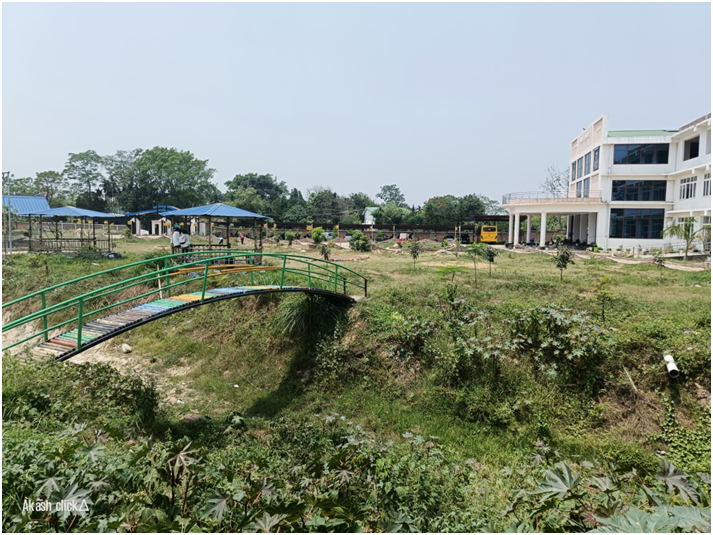
    An eco-friendly initiative to conserve water resources and reduce environmental impact.

    NEISSR’s rainwater harvesting system reflects its strong commitment to sustainability and environmental responsibility. Designed to conserve water and reduce dependency on external sources, the system efficiently collects and stores rainwater for campus use. This eco-friendly initiative promotes water conservation awareness and supports NEISSR’s vision of a green and sustainable campus.

    Car Parking: 
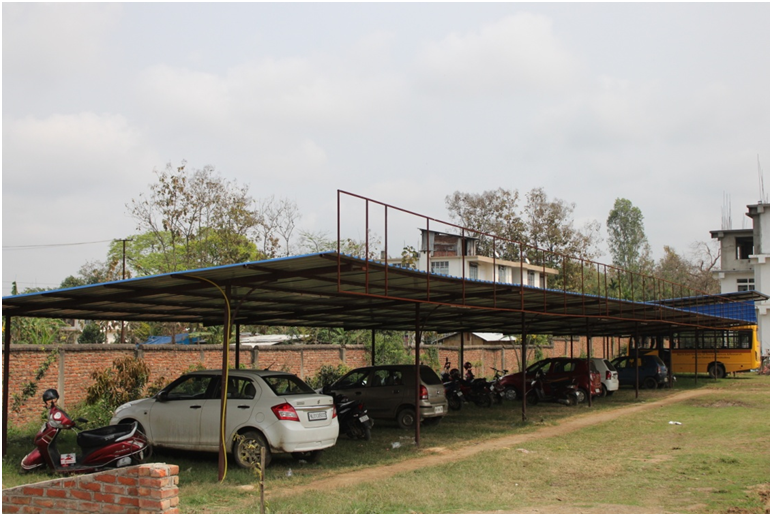
    Convenient parking facilities for students, staff, and visitors.

    NEISSR offers convenient parking facilities for students, staff, and visitors, ensuring a hassle-free experience on campus.  The designated parking area is well-maintained, providing ample space for vehicles and contributing to the overall safety and organization of the campus environment.

    Faculty Cabins: 
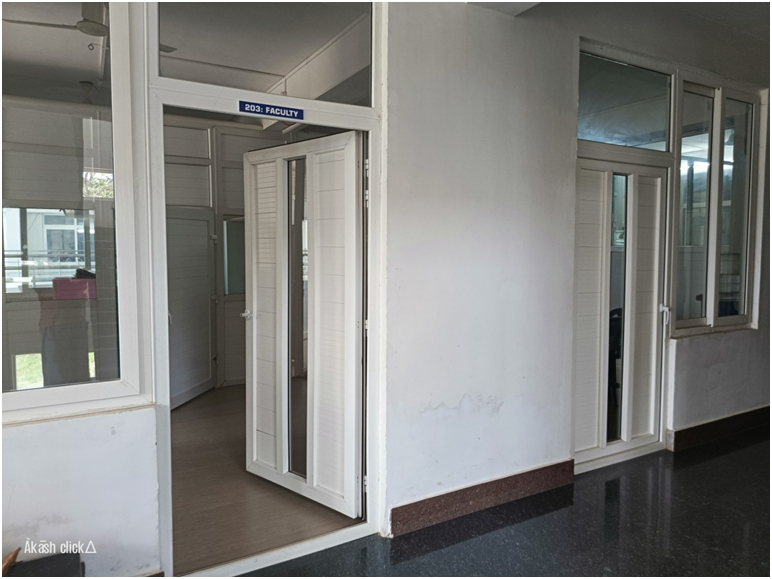
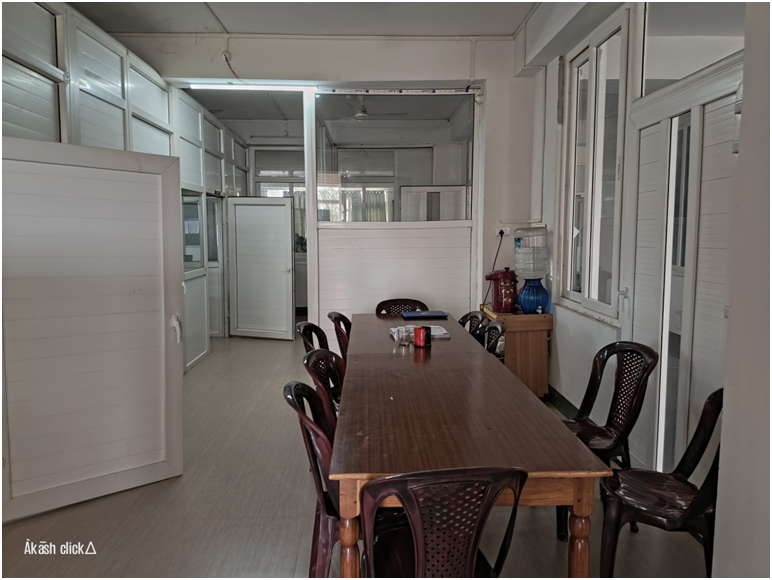
    Dedicated workspaces for faculty members to facilitate teaching, research, and mentorship.


    Vice Principal Office: 
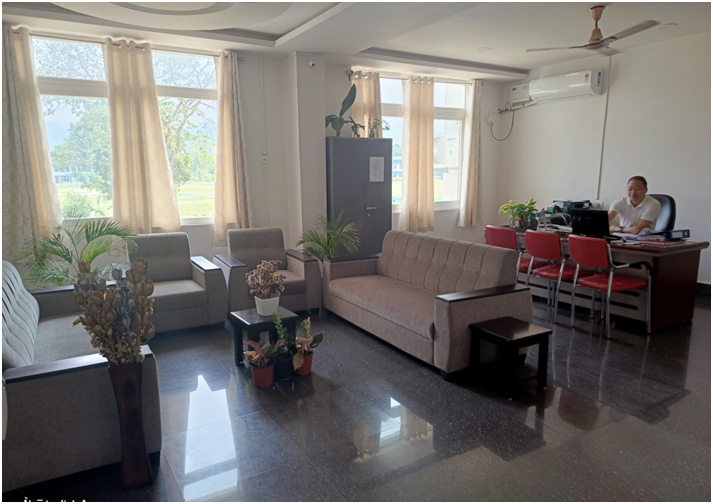
    Office space for the Vice Principal to oversee academic affairs, discipline and student welfare.

    The Vice Principal’s Office at NEISSR plays a crucial role in upholding academic standards and ensuring the smooth functioning of daily operations. With a focus on discipline, coordination, and student welfare, the office works closely with faculty and administrative teams to foster a supportive and vibrant learning environment. Known for its approachability and efficiency, the Vice Principal’s Office actively engages in mentoring students, facilitating academic planning, and implementing institutional goals. It serves as a bridge between students and management, addressing concerns with care and commitment. Through dedicated leadership, the office contributes significantly to NEISSR’s mission of excellence in education and service.

    Principal Office: 
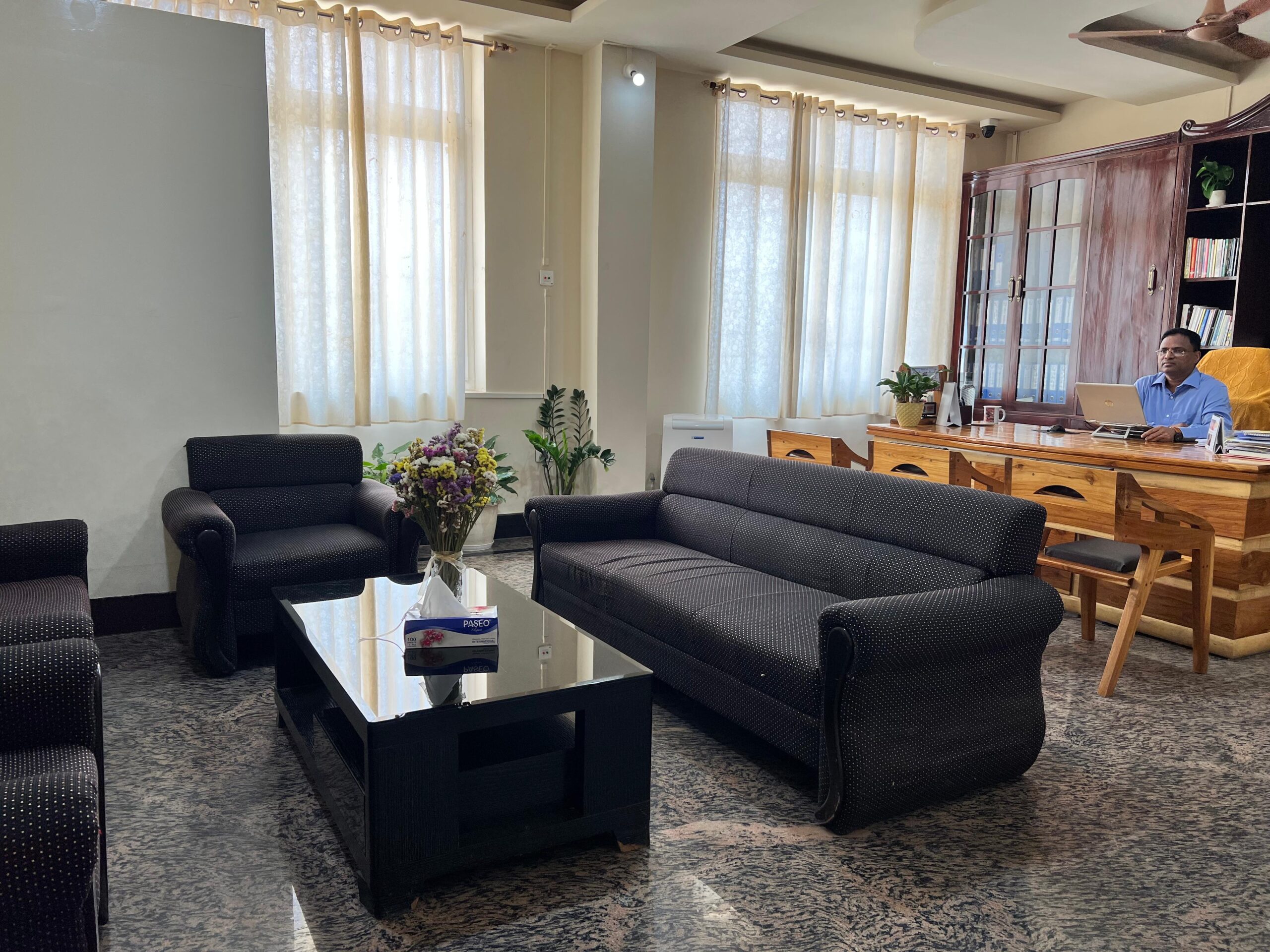
    The Principal’s Office at NEISSR stands as the leadership center of the institute, guiding its academic vision and institutional growth with clarity and purpose. Under the Principal’s dynamic leadership, the office fosters a culture of excellence, inclusivity, and innovation. It serves as a vital link between faculty, students, and administration—ensuring smooth coordination, timely decision-making, and effective implementation of policies. The office is approachable, student-centric, and deeply committed to academic integrity and holistic development. With a focus on empowering future social leaders, the Principal’s Office plays a pivotal role in shaping NEISSR’s mission of social transformation through education, research, and community engagement.

    Examination Control Room: 
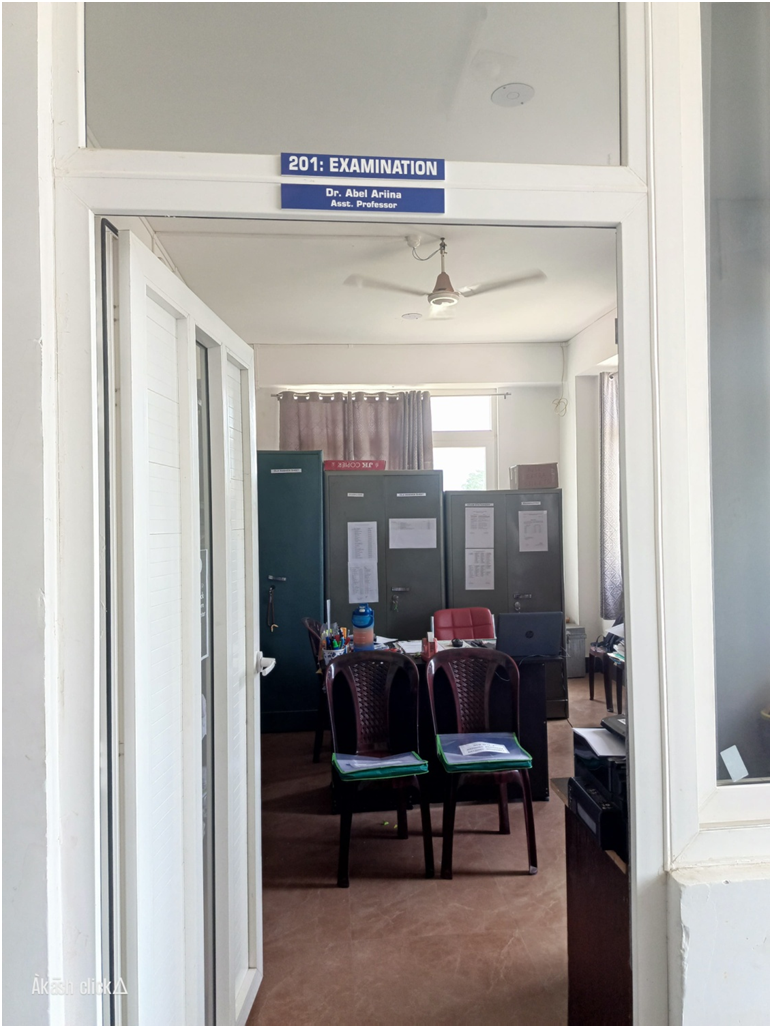
    A secure space for exam related works and maintaining exam integrity.

    Counseling Room: 
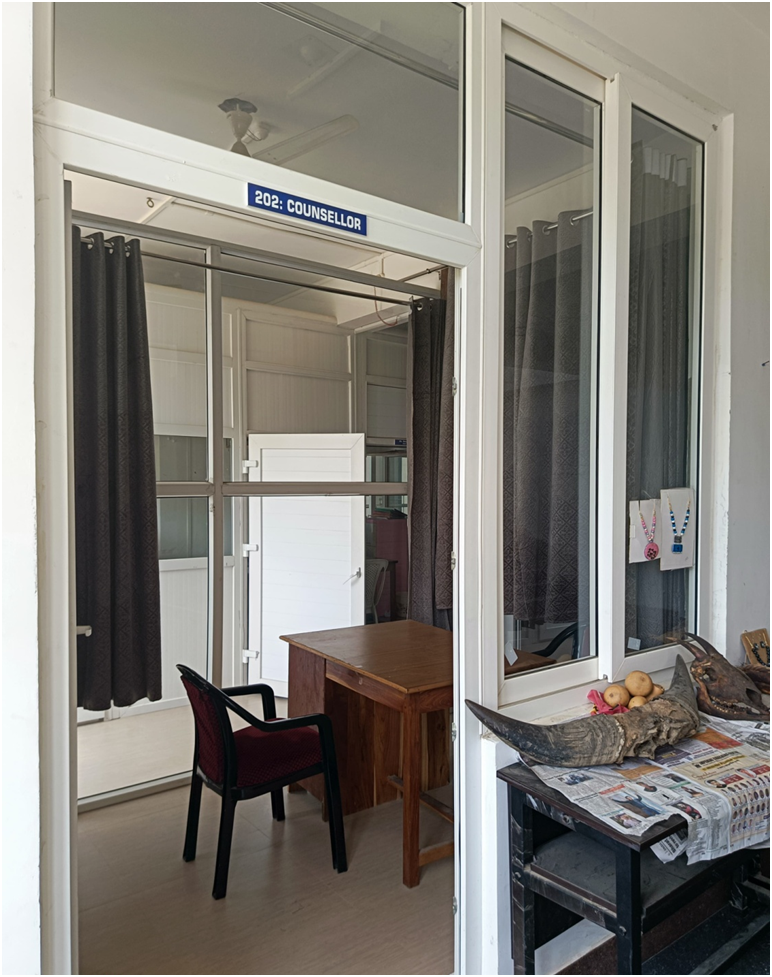

    Confidential spaces for students to seek guidance, support, and counseling services.

    NEISSR Counseling Room is a safe, confidential, and student-centered space dedicated to promoting mental health and emotional well-being. Designed with a warm and calming ambiance, it provides a supportive environment where students can freely express their concerns and receive professional guidance. Staffed by trained counselors, the room offers individual and group sessions addressing stress, academic challenges, personal growth, and emotional resilience. It reflects NEISSR’s holistic approach to education—caring not just for academic success, but for the overall development of each student. The Counseling Room stands as a symbol of NEISSR’s commitment to nurturing healthy, confident, and well-balanced future leaders.

    Smart Classrooms:
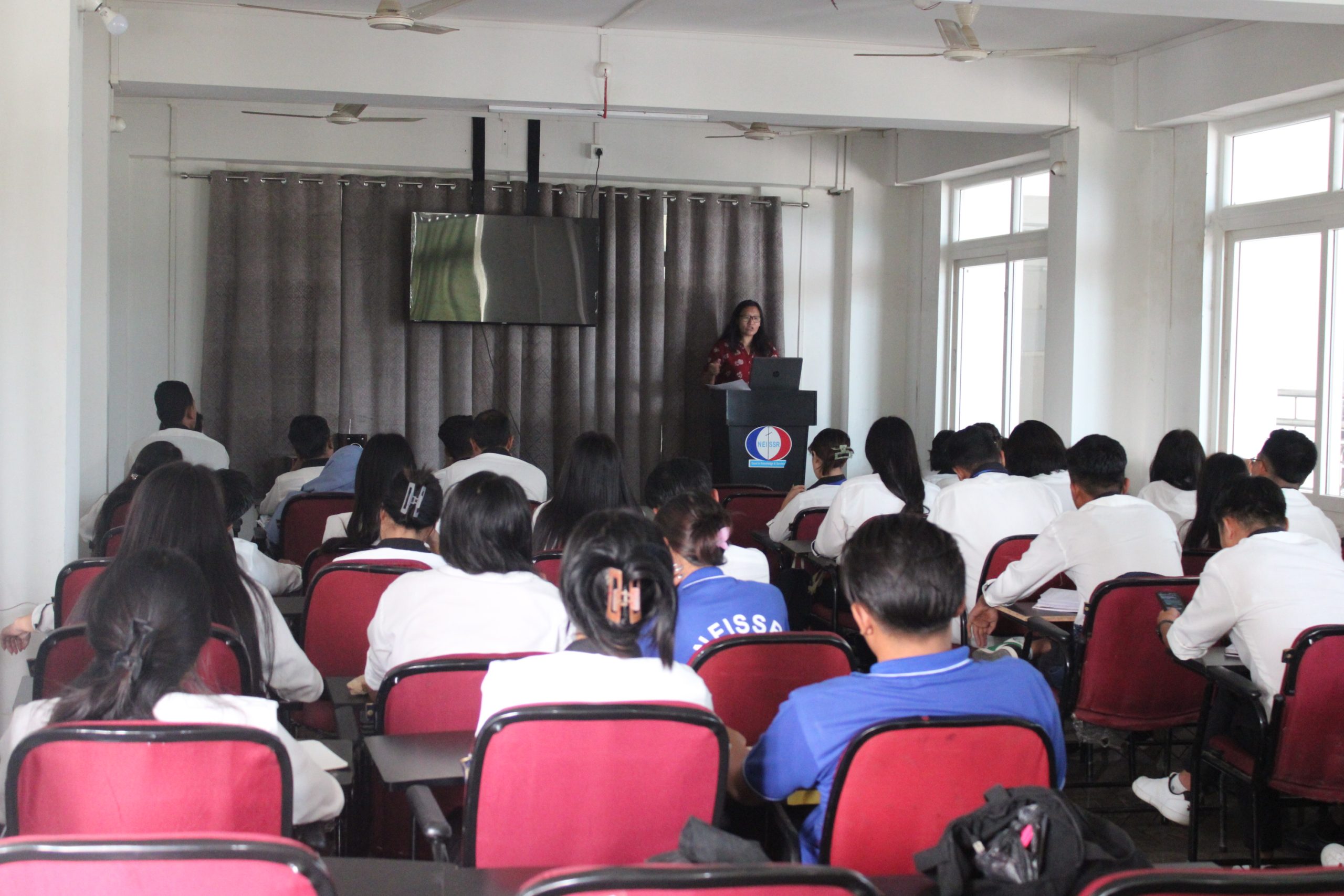
    Technologically advanced learning spaces fostering interactive and engaging teaching methodologies.

    NEISSR’s smart classrooms are equipped with modern teaching technologies, creating an interactive and dynamic learning environment. With digital boards, projectors, and seamless audio-visual support, they enhance student engagement and understanding. These innovative spaces reflect NEISSR’s commitment to quality education, preparing students for a tech-savvy and evolving professional world.

    Specialization Rooms: 
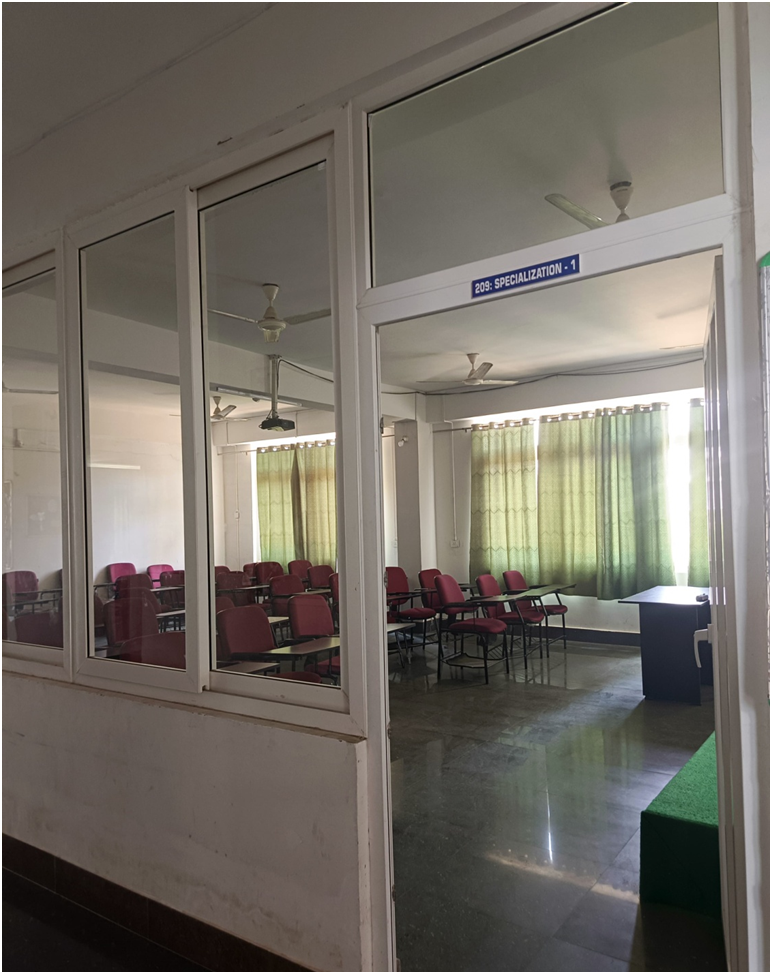
    Specialized facilities equipped for specific academic disciplines or practical training.

    Solar/Generator:
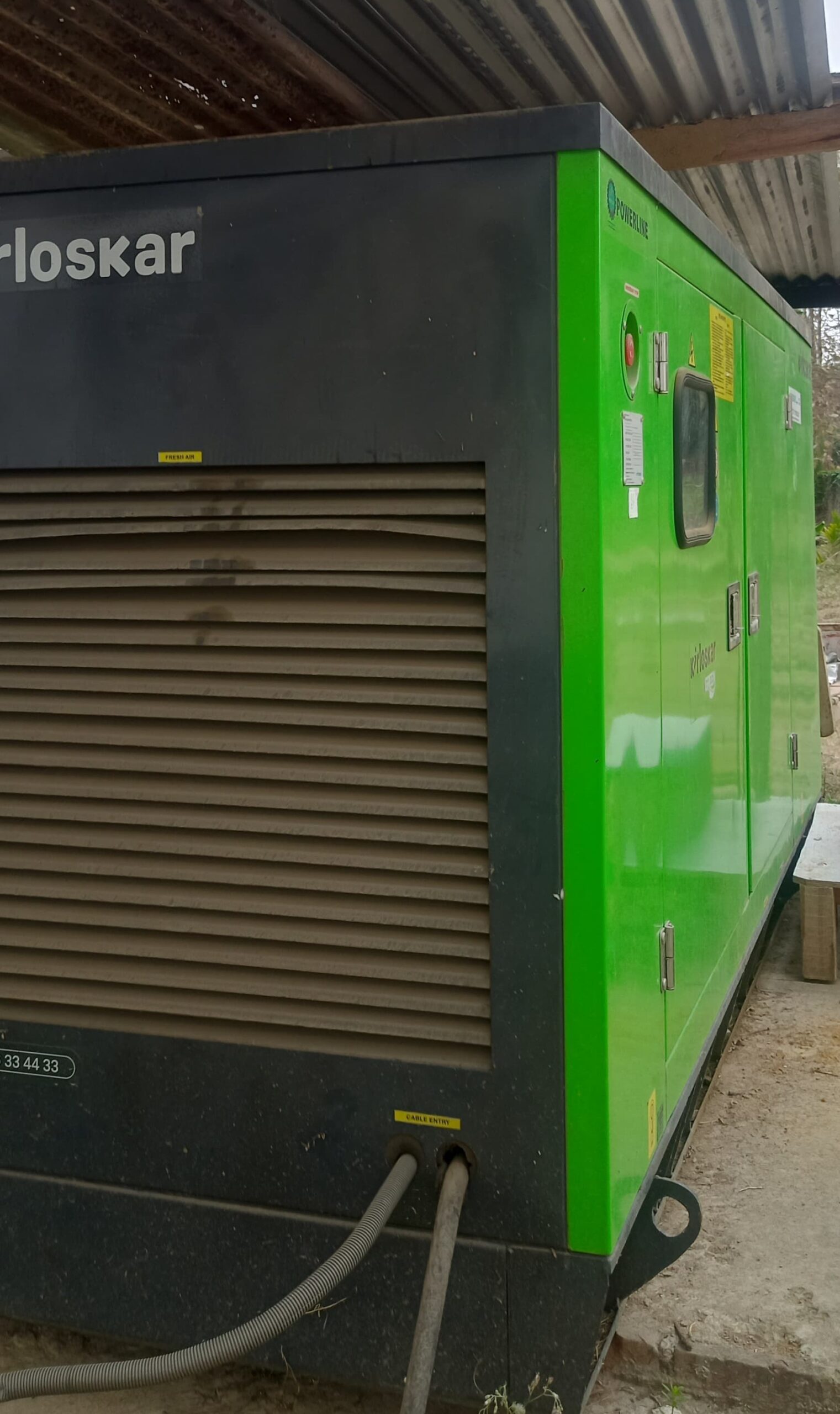
     Sustainable energy solutions ensuring uninterrupted power supply.

    NEISSR ensures uninterrupted academic and administrative operations through a combination of solar energy and generator backup systems. These sustainable energy solutions are integral to the institute’s infrastructure, providing reliable power during outages and supporting its commitment to environmental responsibility. While the generator serves as a crucial backup, reliance on it is managed carefully due to operational costs and fuel considerations. This balanced approach to energy management underscores NEISSR’s dedication to maintaining a resilient and eco-friendly campus environment. 

    Fathers Residence
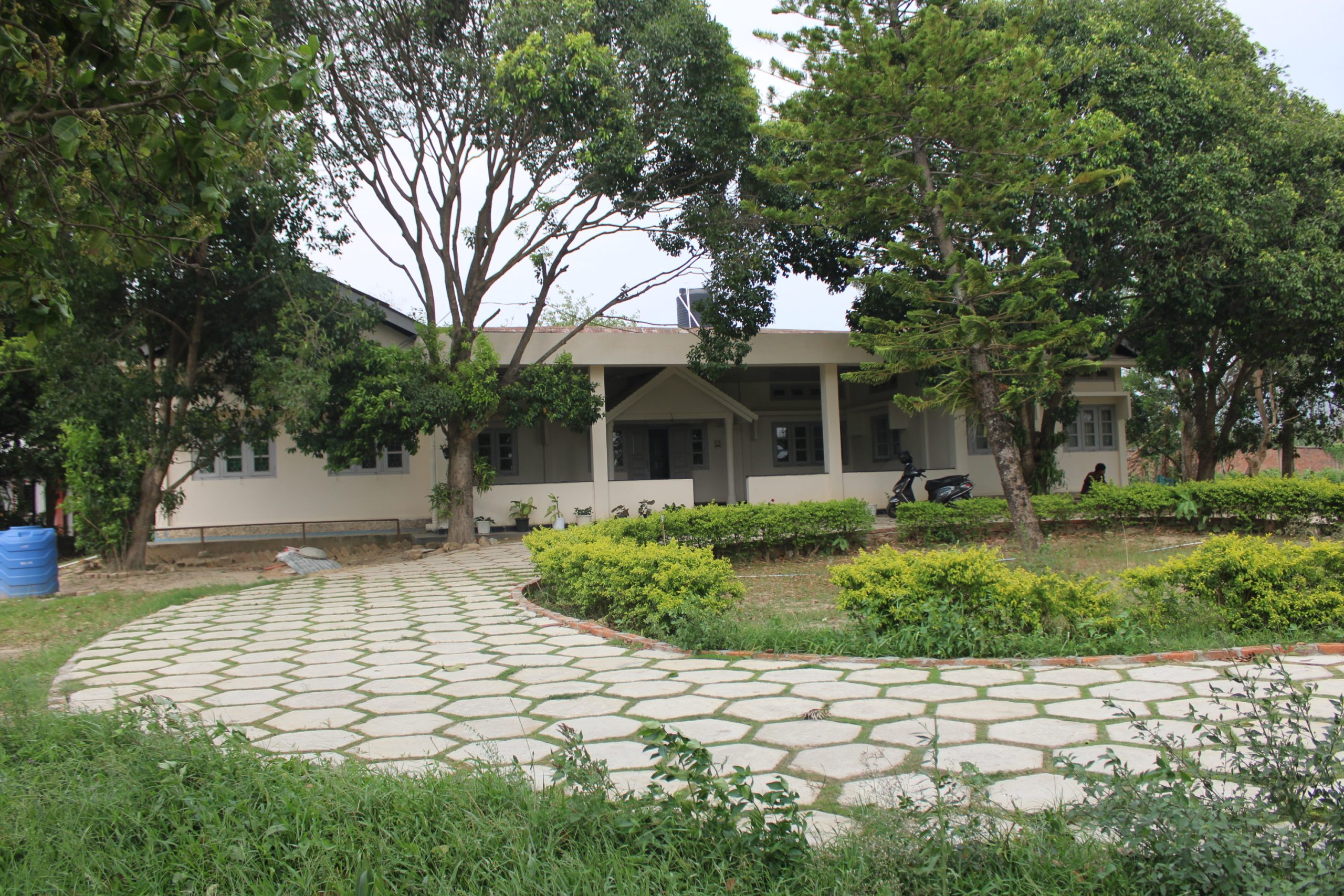
    Residential facilities for institute staff members and their families.

    The “Father’s House” at NEISSR is a dedicated space within the campus that embodies the institute’s commitment to holistic education and community living. Serving as a residence for guests and visiting scholars, it fosters an environment of mentorship, guidance, and shared learning. This facility not only provides accommodation but also acts as a center for spiritual reflection, counseling, and pastoral care, aligning with NEISSR’s values of compassion and service. By integrating living and learning spaces, the Father’s House enhances the institute’s mission to nurture socially responsible and ethically grounded individuals.

    Bus: 
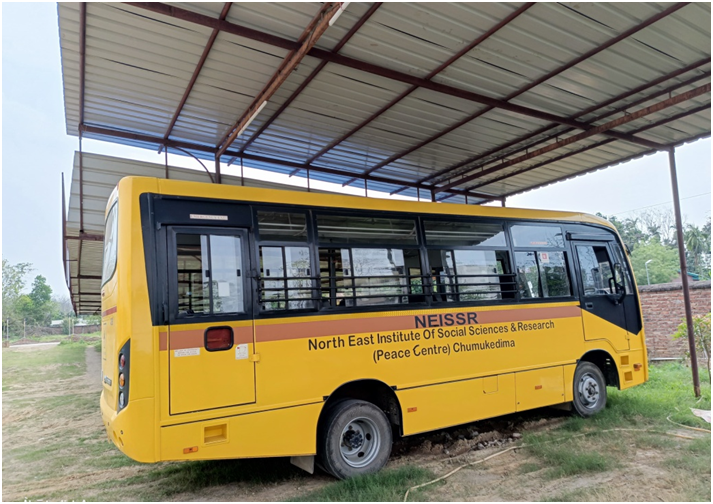
    Transportation services for students and staff commuting to and from the institute.

    NEISSR provides a dedicated bus service to facilitate student transportation between key locations in Dimapur and the campus at 7th Mile, Chümoukedima. Buses typically depart from City Tower at 8:00 AM for scheduled programs and events. For regular academic activities, such as computer classes, the bus departs at 4:30 PM on weekdays and 12:30 PM on Saturdays citeturn0search9. This service ensures safe and convenient travel for students, enhancing their access to educational opportunities. 

    Girls Hostel: 
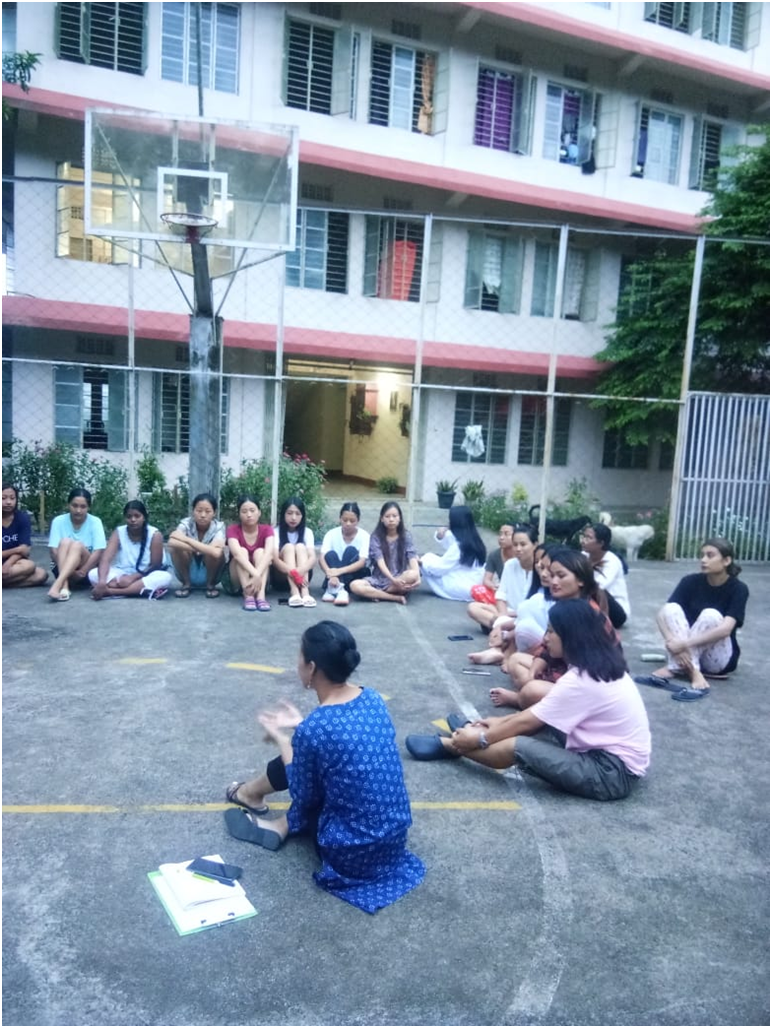
    Secure and homely accommodation for female students, fostering a supportive living community.

    The institute is committed to nurturing talents, qualities, values, fostering innovation, and empowering individuals to achieve their full potential in a conducive and inclusive environment towards nation building.

    Drinking Water:
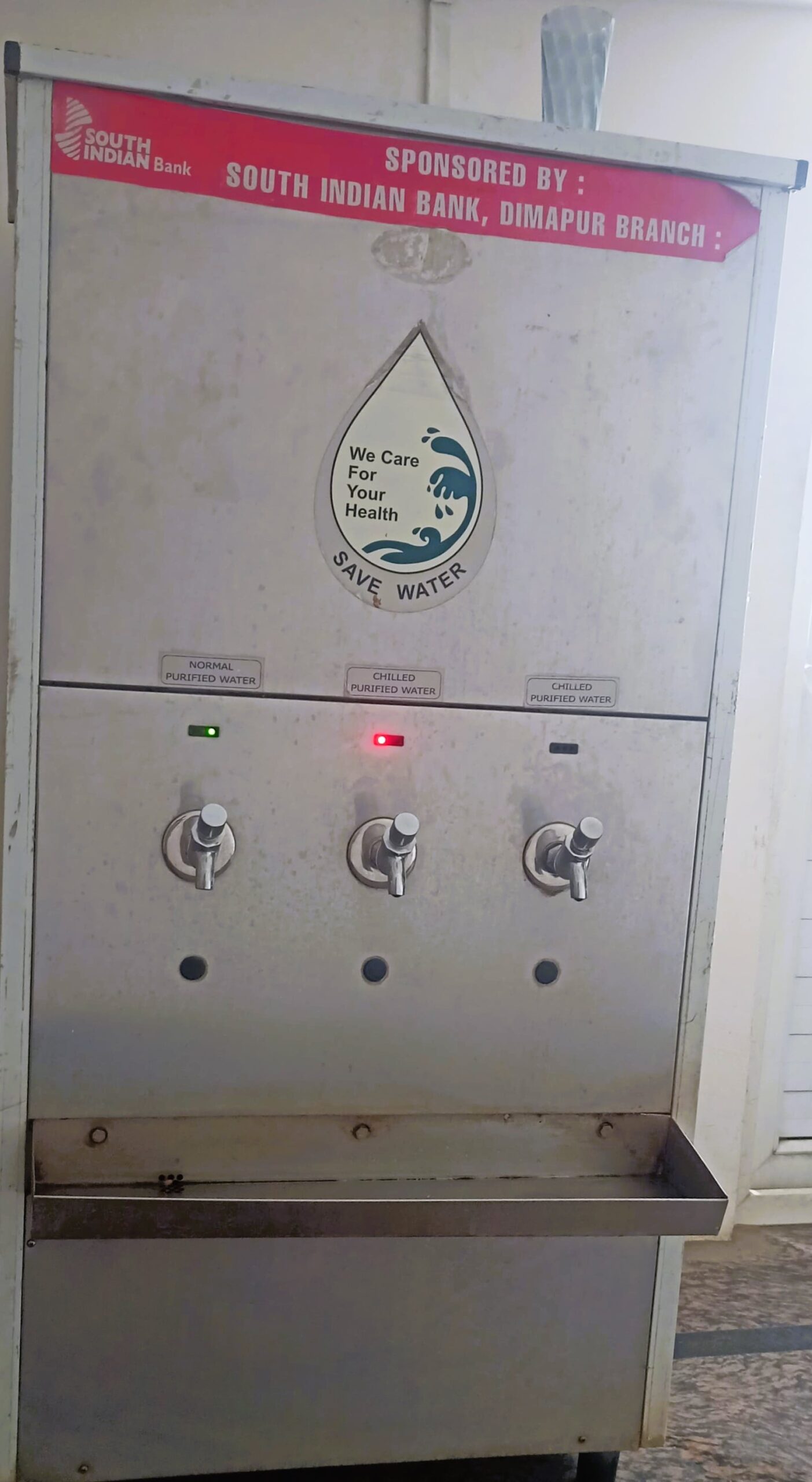


    NEISSR provides clean and safe drinking water on campus, ensuring the health and well-being of all students and staff. Sponsored by South Indian Bank, the water facility is equipped with modern filtration systems, guaranteeing fresh, purified water throughout the day. This initiative reflects NEISSR’s commitment to student welfare, offering a reliable source of hydration for everyone. The partnership with South Indian Bank underscores the importance of collaboration in creating a supportive and sustainable campus environment. With easy access to safe drinking water, students can focus on their academic and personal growth, knowing their health is a top priority.

    Toilet

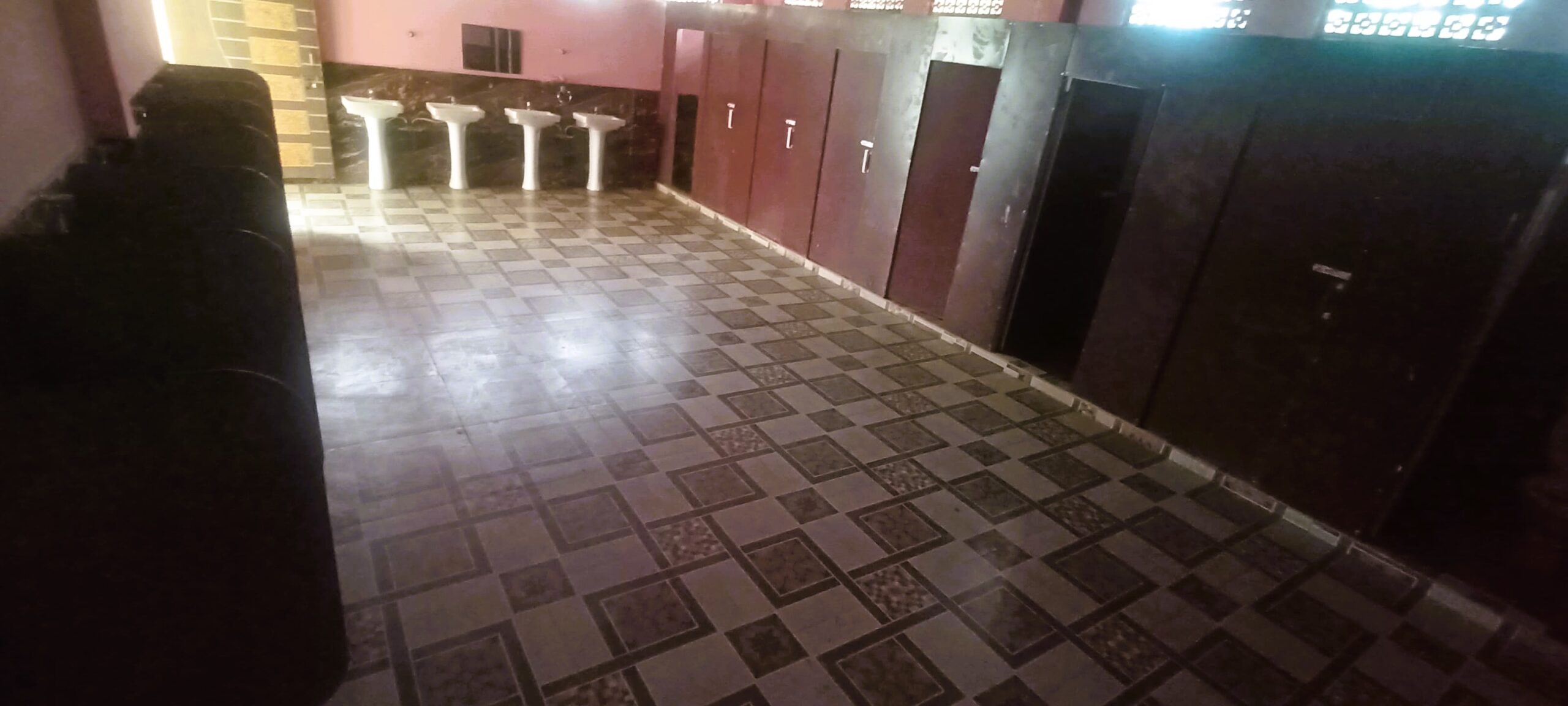
    NEISSR is committed to providing clean, safe, and accessible toilet facilities for all students and staff. The campus features separate, well-maintained restrooms for boys and girls, ensuring privacy and hygiene. Regular cleaning schedules and proper sanitation practices are in place to maintain a healthy environment. These facilities reflect NEISSR’s dedication to student welfare and comfort, contributing to a conducive learning atmosphere.

    Morung

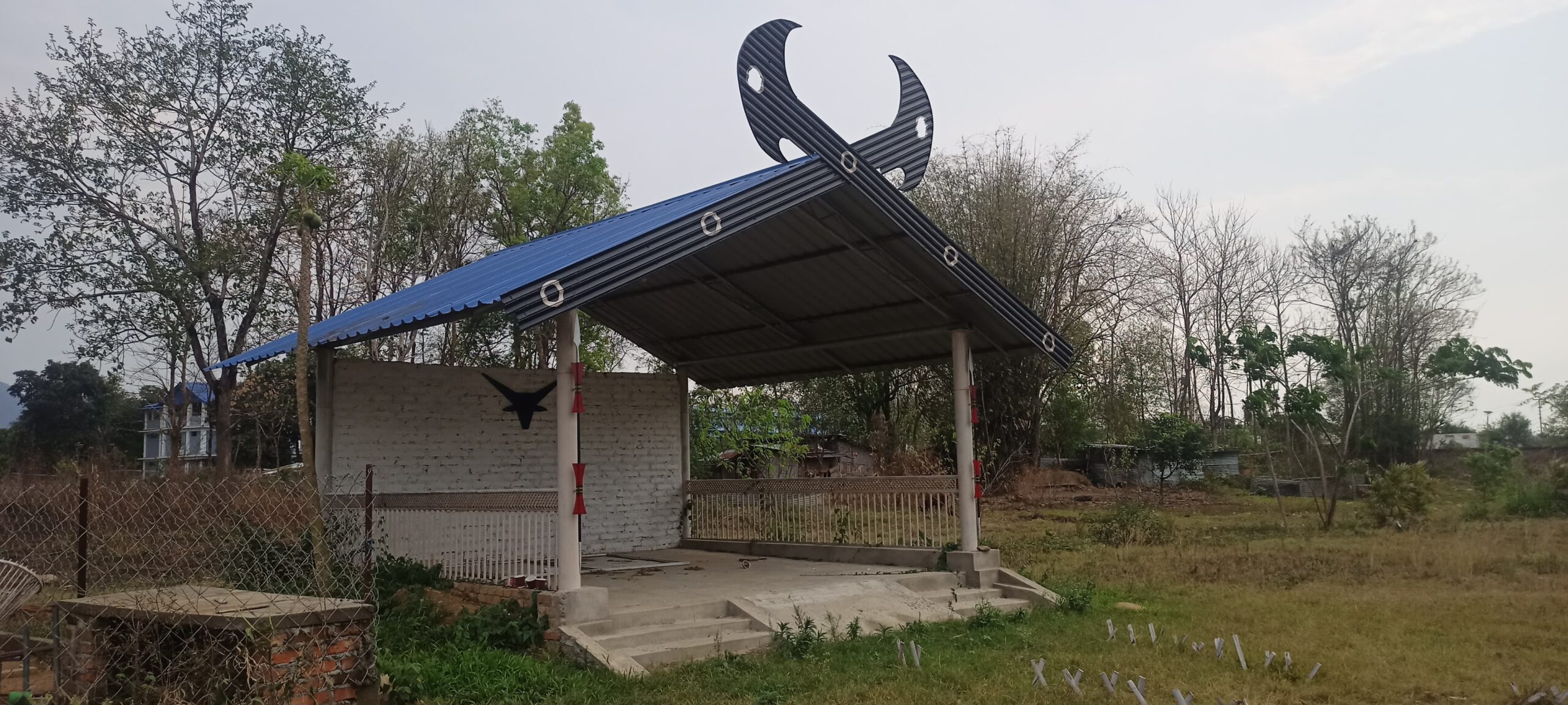
    NEISSR Morung is a vibrant space that promotes indigenous knowledge systems and serves as a hub for learning mediation and negotiation. Rooted in the traditional Naga Morung concept, it fosters community-based learning, cultural preservation, and peacebuilding. At NEISSR, this modern Morung encourages dialogue, intergenerational learning, and conflict transformation through storytelling, research, and participatory practices. It bridges traditional wisdom with contemporary peace approaches, making it a vital platform for social work education and community engagement. The Morung stands as a symbol of cultural resilience, offering a unique environment where heritage, learning, and peace intersect meaningfully.

  • DVV Cri 3


    Number of workshops/seminars/Conference including programs conducted on Research Methodology, Intellectual Property Rights (IPR) and entrepreneurship during the last five years.


    Year

    Name of the workshop/ seminar/ conference

    Number of Participants

    Date

    LINK

    2023

    Career Guidance Program on Social Work

    64

    2/18/2023

    link

    2023

    Research Methodology

    65

    2/14/ 2023

    link

    2023

    National Voters day –

    125

    1/25/2023

    link

    2023

    training on professional practice skills

    162

    01/20 & 21/ 2023

    link

    2023

    Financial literacy for students of social work

    104

    1/28/2023

    link

    2023

    Interactive session with shri John Barla

    40

    2/20/2023

    link


    2023

    Orientation on Entrepreneurship and Skill Development program


    64


    3/4/2023

    link

    2023

    Training program on teaching and learning

    15

    5/3/2023

    link

    2023

    Parametric and Non parametric test

    151

    5/16/2023

    link

    2023

    E-waste management

    58

    5/27/2023

    link

    2023

    Legal rights program

    193

    7/27/2023

    link

    2022

    Webinar on the conflict in Mozambique

    58

    5/19/2022

    link

    2022

    Youth Entrepreneurship webinar.

    68

    26 & 27/05/2022

    link


    2022

    National Webinar on “Research Methodology”


    71


    5/28/2022

    link

    2022

    IPR Indigenous knowledge

    62

    7/30/2022

    link

    2022

    Sampling method

    58

    8/16/2022

    link

    2022

    Tools of Data collection

    17

    9/27/2022

    link

    2022

    Communication skills for social workers

    90

    10/1/2022

    link

    2022

    Skill me

    77

    10/1/2022

    link

    2022

    Managing Behavioural Disorders in Children and Family Therapy.

    212


    24-26/10/2022

    link

    2021

    Locating Food Sustainability at Grassroots Level in the post-covid specific situation of nagaland state


    60


    2/12/2021

    link

    2021

    Seminar Cum Workshop on National Education Policy


    73


    2/27/2021

    link

    2021

    Soft Skill Training for Workplace etiquettes.

    14

    4/2/2021

    link


    2021

    Approaches in qualitative research

    13

    4/7/2021

    LINK

    2021

    IPR “Taking Ideas to the market

    18

    4/26/2021

    LINK

    2021

    Rural Entrepreneurship and Rural Tourism

    100

    5/29/2021

    LINK

    2021

    Life skill education towards peace

    16

    6/9/2021

    LINK


    2021

    Role of Entreprenuers in community development in the post-covid socio- economic restoration


    40


    6/19/2021

    LINK

    2021

    Scope and challenges of social work practice in 21st century


    89


    6/26/2021

    LINK

    2021

    Sustainable Entrepreneurship

    13

    7/5/2021

    LINK

    2021

    Capacity Building program on “The challenges youth faced today on skilling”


    12


    8/14/2021

    LINK

    2020

    Dialogue on Sustainable Agriculture and Food

    Security in Nagaland


    109


    2/15/2020

    LINK

    2020

    Workshop on Project cycle Management (PCM)

    66

    27-29 /02/2020

    LINK

    2020

    IPR ” Innovation for a Green Future

    17

    4/26/2023

    LINK

    2020

    Webiner on Youth Engagement for Global Action

    65

    8/12/2020

    LINK

    2020

    Webinar on Women’s Safty And Security

    75

    8/8/2020

    LINK

    2020

    Webinar on Meaning & purposeful lif in Building Leadership for Peace


    75


    9/22/2020

    LINK

    2020

    International Webinar on Sustainable NGOs

    82

    10/23/2020

    LINK

    2020

    Promoting Youth Leadership through skill development


    90


    11/26/2020

    LINK


    2019

    Seminar on “Sustainable Agriculture and Food Security in Nagaland”


    69


    2/15/2019

    LINK

    2019

    Workshop on “Project Cycle Management”

    64

    27-29/02/2019

    LINK

    2019

    We Knit

    113

    4/4/2019

    LINK


    3.4.3 Number of extension and outreach programs conducted by the institution through organized forums including NSS/NCC with involvement of community during the last five years.

    Query

    LINK

    1. Kindly provide Link to the detailed report for each extension and outreach program.

    2022-2023    

    2021-2022

    2020-2021

    2019-2020

    2018-2019


    2. Kindly provide consolidated list of Number of extension and outreach Programs conducted in collaboration with industry, community, and Non- Government Organizations through NSS/ NCC etc., year wise during the last five years duly signed by competent authority.


    2022-2023


    2021-2022

    2020-2021

    2019-2020

    2018-2019

    LINK


    LINK

    LINK

    LINK

    LINK


    3.1.1 Grants received from Government and non-government agencies for research projects/endowments in the institution during the last five years (INR in Lakhs)


    No

    Query 01

    1

    Kindly provide consolidated lists of grants for research projects received during the assessment years along with the award, and the awarding agency with amount duly signed by competent authority.

    Link to consolidated lists of grants for research projects received


    Query 02

    Kindly provide Sanction letter of grants by the funding agency year-wise highlighting the amount

    Year

    2022-23

    2021-22

    2020-21

    2019-20

    2018-19

    Sanction letters of grants by the funding agency

    Link

    Link

    Link

    Link

    Link


    Query 03


    Year

    2022-23

    2021-22

    2020-21

    2019-20

    2018-19

    Research project grants should be reflected in audited statements / utilization certificates. Kindly provide the statement year-wise.

    Link

    Link

    Link

    Link

    Link


    3.1.1 Number of functional MoUs/linkages with institutions/industries in India and abroad for internship, on-job training, project work, student/faculty exchange and collaborative research during the last five years


    Query 

    Kindly compress the pdf files up to 5 mb and resend it.

    Year

    MoU with Schools

    MoU with NGOs

    MoU with Colleges

    Functional MoUs/linkages

    Link

    Link

    Link


  • NSS

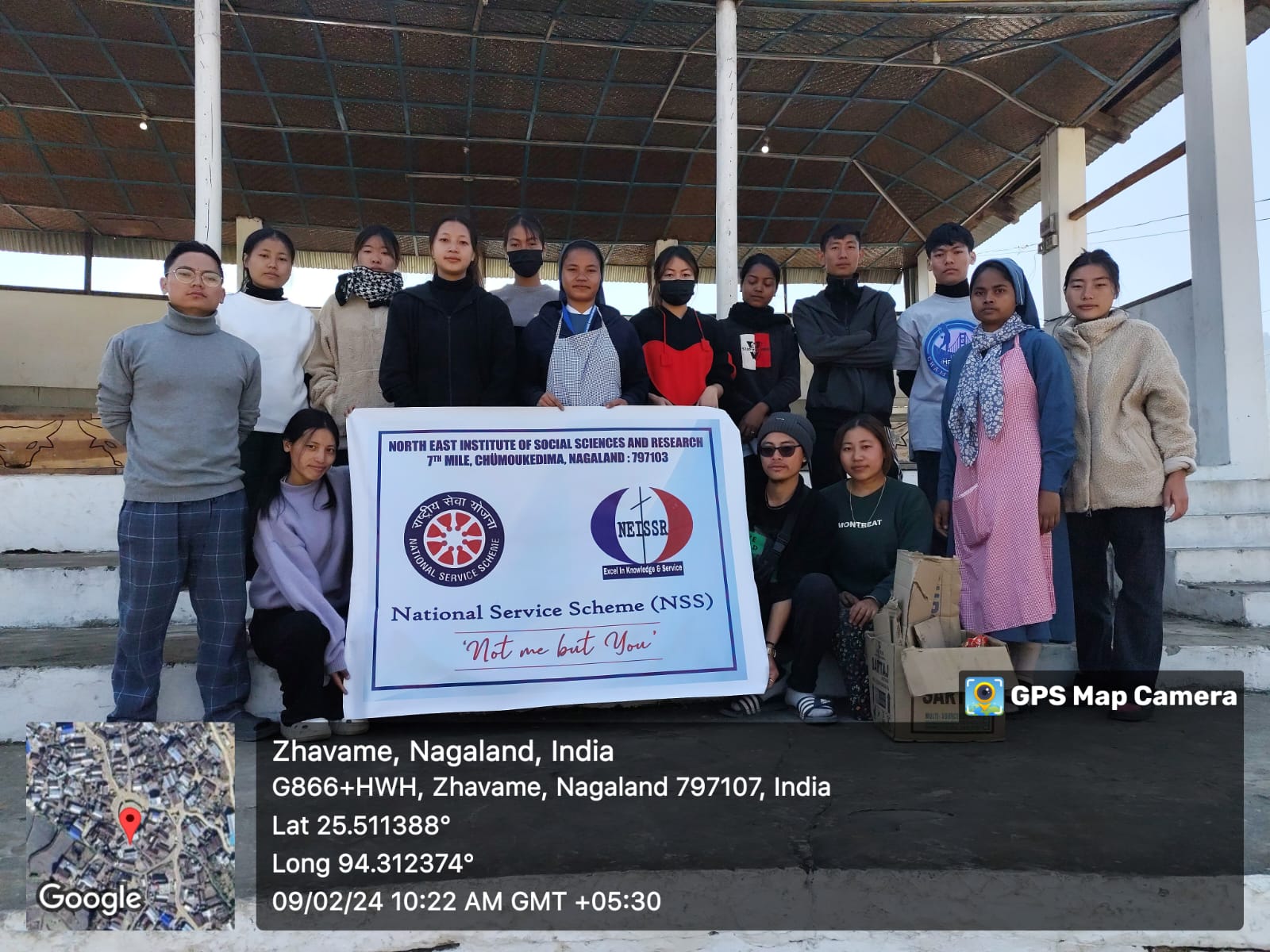
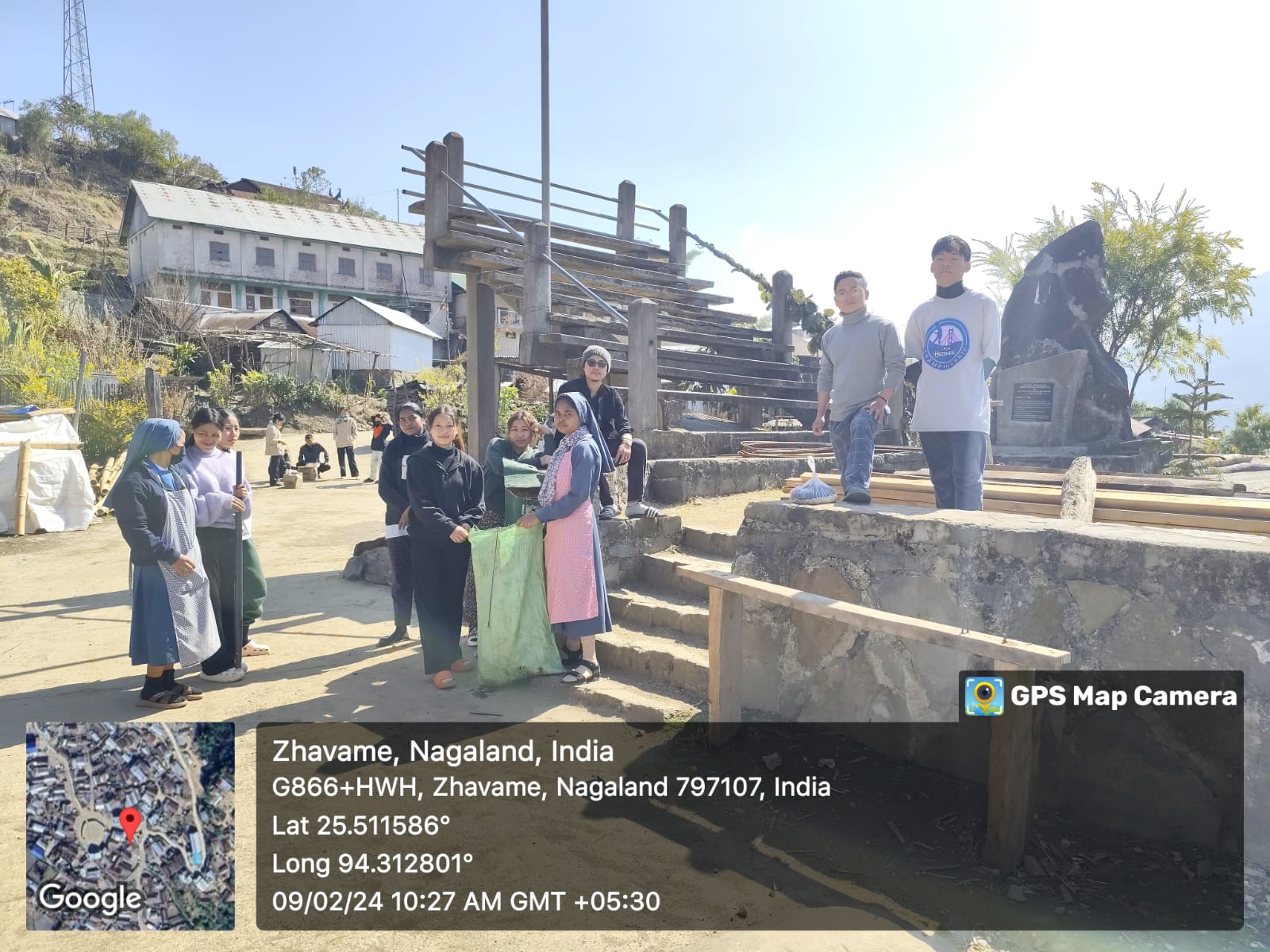
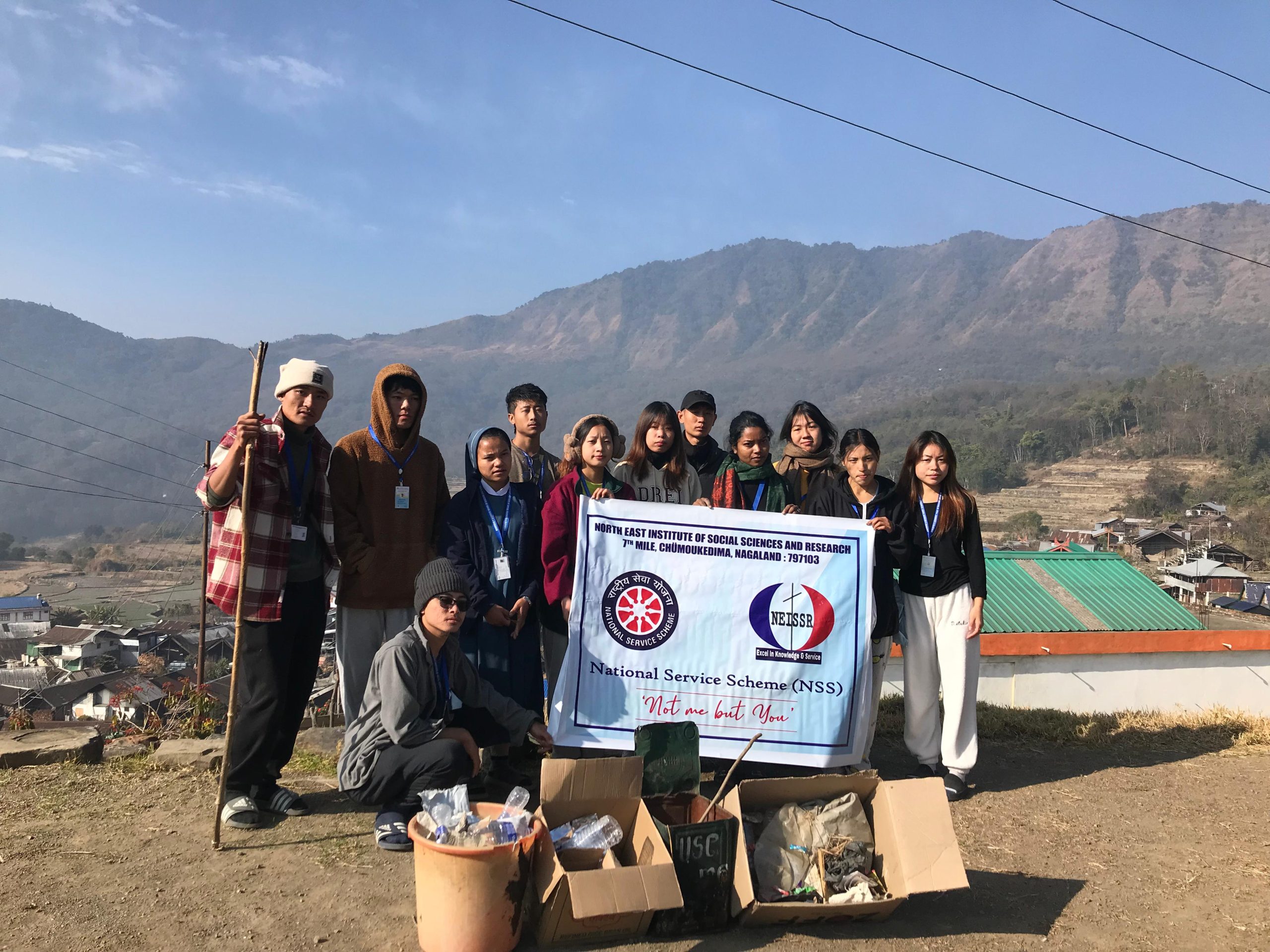
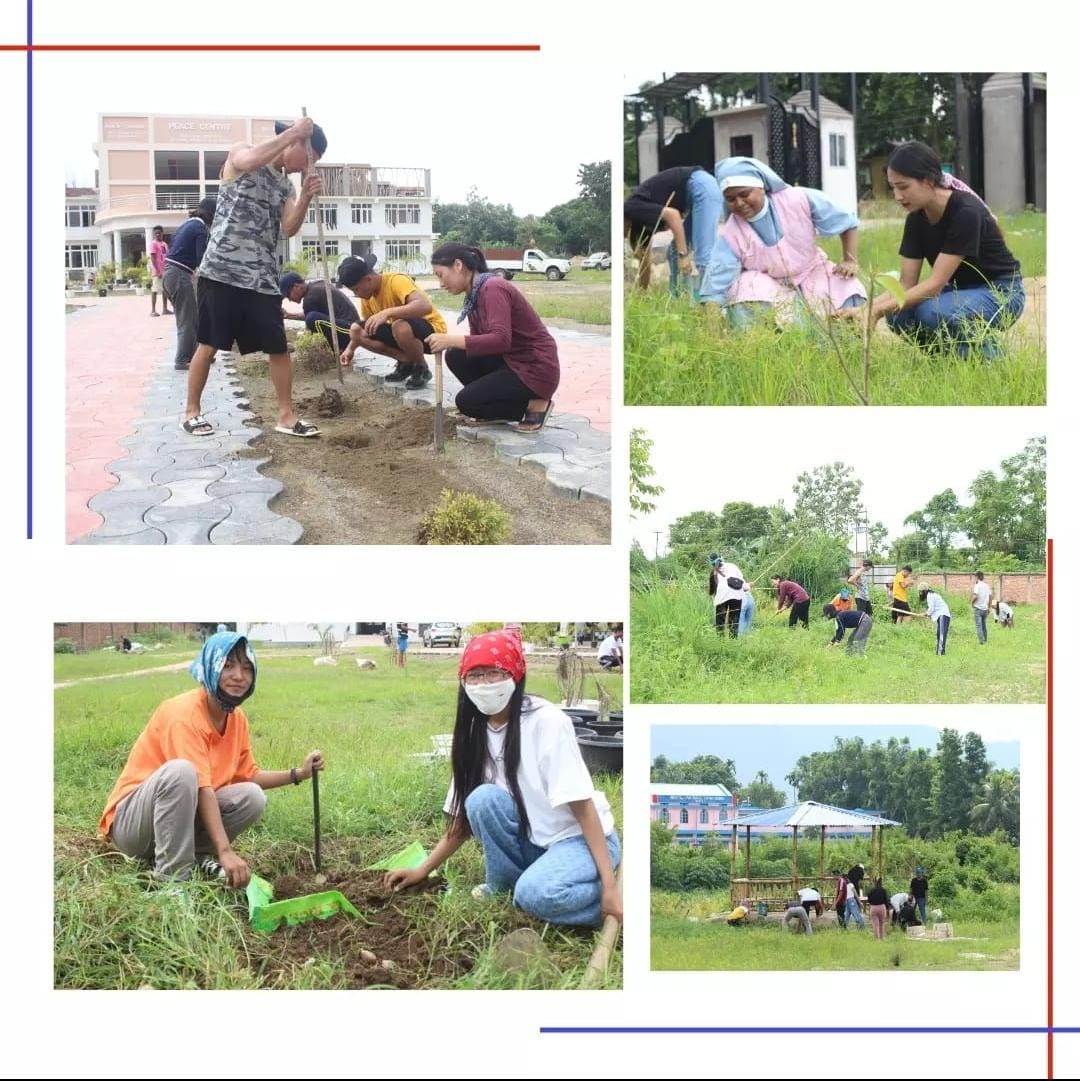
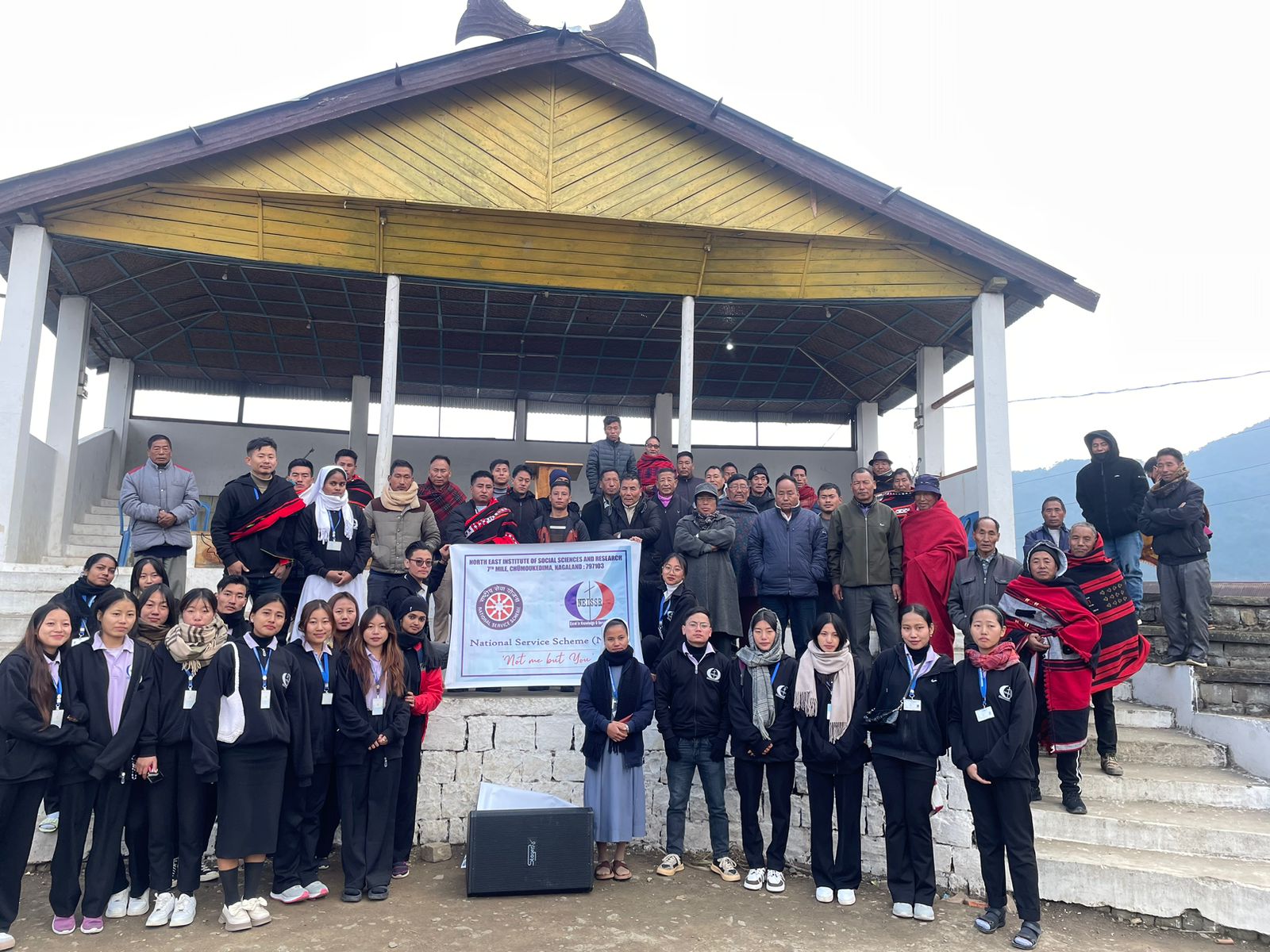
    The National Service Scheme (NSS) is a Central Sector Scheme of Government of India, Ministry of Youth Affairs & Sports. It provides opportunity to the student youth of 11th & 12th Class of schools at +2 Board level and student youth of Technical Institution, Graduate & Post Graduate at colleges and University level of India to take part in various Government led community service activities & programmes. The primary objective of developing the personality and character of the student youth through voluntary community service. ‘Education through Service’ is the purpose of the NSS. NSS was launched in 1969 in 37 Universities involving about 40,000 volunteers which has now spread over 657 Universities and 51 +2 Councils/Directorates, covering 20,669 Colleges/ Technical Institutions and 11,988 Senior Secondary School. Since inception, over 7.4 crore students have benefitted from NSS.Through this scheme it develops the sense of social and civic responsibilities among the students. It utilizes students’ knowledge in finding practical solutions to the problems of Individual and community.

    Motto: “Not me but you”

    Objectives

    • To develop leadership qualities.
    • Active participation in nation-building endeavour.
    • To instil a spirit of volunteerism and empathy.
    • To develop capacity to meet emergencies and natural disasters.
    • Promote sustainable development and environmental conversation.

    Committee list :

    Programme officer (P.O):         Ms. Elizabeth Pojar

    Convenor:                                   Mr. Khumti

    Co-convenor:                              Ms. Savino Thakro


    Future Plans

    • Encourage NSS volunteers to become ambassador of social change in their respective fields.
    • Continuously evaluate and adapt NSS programs to meet the evolving needs of society.
    • Organize skill development workshops and training programs for NSS volunteers.
    • Create platforms for NSS volunteers to share their experiences and inspire others.


  • Criteria 3

    Criteria -3: Research, Innovations and Extension

    3.1 Resource Mobilization for Research
    3.1.1 Grants received from Government and non-governmental agencies for research projects / endowments in the institution during the last five years (INR in Lakhs)
    3.1.1.1 Total Grants from Government and non-governmental agencies for research projects / endowments in the institution during the last five years (INR in Lakhs)  
    Grants Received
    3.2 Innovation Ecosystem
    3.2.1 Institution has created an ecosystem for innovations, Indian Knowledge System (IKS),including awareness about IPR, establishment of IPR cell, Incubation centre and other initiatives for the creation and transfer of knowledge/technology and the outcomes of the same are evident
    3.2.2 Number of workshops/seminars/conferences including on Research Methodology, Intellectual Property Rights (IPR) and entrepreneurship conducted during the last five years
    3.2.2.1  Total number of workshops/seminars/conferences including programs conducted on Research Methodology, Intellectual Property Rights (IPR) and entrepreneurship year wise during last five years
    3.3 Research Publications and Awards
    3.3.1 Number of research papers published per teacher in the Journals notified on UGC care list during the last five years
    3.3.1.1  Number of research papers in the Journals notified on UGC CARE list year wise during the last five years
    3.3.2 Number of books and chapters in edited volumes/books published and papers published in national/ international conference proceedings per teacher during last five years
    3.3.2.1  Total number of books and chapters in edited volumes/books published and papers in national/ international conference proceedings year wise during last five years
    Spirituality in Garo Women Challenges of Indian Elderly People and Scope of Social Work Intervention Contribution of NGOs in Covid -19 Relief: Nagaland in Perspective Higher Education in North- East India- Trends, Opportunities and Challenges Peer Mediation: A Model for Conflict Transformation Differently Abled Tribal Entrepreneurs of Manipur: A Case Study. Exploring the Scientific Research Social Entrepreneurship- An Ameliorating Factor for the Empowerment of Rural Women in Keralamedu Tluk From Cultures of Peace to Culture of Peace Contemporary Isssues of North East and Social Work Interventions Socio Demographic Profile of Domestic Workers in Chennai Border Trade and Rural Development: A tale of two bordering villages in Mizoram The Pochury of Nagaland and the Chakhesang of Manipur Pattern of Migration and Settlement among Migrants from Myanmar in Mizoram Enhancing Indo- Myanmar Trade with Special reference to Zokhawthar – Rih Border Sector Literature Review in the Field of Citation Analysis: A study Cover Page Merged
    3.4 Extension Activities
    3.4.1 Outcomes of Extension activities in the neighborhood community in terms of impact and sensitizing the students to social issues for their holistic development during the last five years.
    3.4.2 Awards and recognitions received for extension activities from government / government recognised bodies
    3.4.3 Number of extension and outreach programs conducted by the institution through organized forums including NSS/NCC with involvement of community during the last five years.
    3.4.3.1  Number of extension and outreach Programs conducted in collaboration with industry, community, and Non- Government Organizations through NSS/ NCC etc., year wise during the last five years
    2018 – 2019 2019-20 2020-21 2021-2022 2022-23
    3.5 Collaboration
    3.5.1 Number of functional MoUs/linkages with institutions/ industries in India and abroad for internship, on-the-job training, project work, student / faculty exchange and collaborative research during the last five years.
    MOU Schools MOU Institutitions MOU NGO MOU 2018-19 MOU 2020-21 MOU 2022-23 2020-21 2018-19 2019-2020 2021-2022 2022-2023
    TITLE  YEAR LINK
    Garo Women and Spirituality  2023  CLICK
    Globalization and Tobacco Related 2018 CLICK
    Contemporary Youth Issues in North East India: Approaching the Concept of Brahmachary 2018 CLICK
    Border Trade and Rural Development: A tale of two bordering villages in Mizoram 2023 CLICK
  • Welfare Schemes

    Work-Life Balance:

    • The institution recognizes the importance of work-life balance and encourages employees to maintain a healthy equilibrium between their work responsibilities and personal lives.
    • Flexible work arrangements, such as telecommuting, flexible schedules, part-time work options, or parental leave, may be considered to support employees’ work-life balance, where feasible and in accordance with institutional policies.

    Health and Safety:

    • The institution is committed to providing a safe and healthy working environment for all employees.
    • Safety protocols, procedures, and training programs will be implemented to ensure the physical well-being and occupational health of employees.
    • Regular inspections, risk assessments, and preventive measures will be conducted to identify and address potential hazards or risks in the workplace.

    Employee Assistance Program (EAP):

    • The institution will establish an Employee Assistance Program or provide access to external resources to support employees’ mental and emotional well-being.
    • The EAP may include counselling services, mental health resources, stress management programs, and referrals to appropriate professionals or organizations.

    Health and Wellness Initiatives:

    • The institution will promote health and wellness initiatives to encourage employees to lead healthy lifestyles and make positive choices.
    • Initiatives may include wellness campaigns, fitness programs, nutrition educationand access to recreational facilities or activities.

    Professional Development and Training: 

    • The institution recognizes the importance of continuous learning and professional growth for employees.
    • Opportunities for professional development, training programs, workshops, conferences, and skill enhancement activities will be provided to support employees’ career advancement and job satisfaction.

    Recognition and Rewards:

    • The institution will implement mechanisms to recognize and appreciate the contributions and achievements of employees.
    • Recognition programs, performance-based rewards and other forms of appreciation will be used to motivate and acknowledge employees’ efforts and dedication.

    Grievance and Conflict Resolution:

    • The institution will establish a grievance and conflict resolution mechanism to address employee concerns, grievances, or conflicts in a fair, confidential, and timely manner.
    • Employees will be provided with channels to report grievances, and the institution will ensure a thorough investigation and resolution process, while maintaining confidentiality and protecting employees from retaliation.

    Communication and Feedback: 

    • The institution will promote open and transparent communication channels between employees and management.
    • Regular feedback mechanisms, such as employee surveys, suggestion boxes and meetings will be utilized to gather input, address concerns, and improve the work environment based on employees’ suggestions and feedback.

    Leave and Time-off Policies:

    • The institution will establish clear policies regarding various types of leave, including annual leave, sick leave, maternity/paternity leave, bereavement leave, and other applicable time-off options.
    • Leave policies will comply with legal requirements and provide employees with reasonable time off to attend to personal or family needs.
  • Criteria 6

    Criteria -6: Governance, Leadership and Management

    6.1 Institutional Vision and Leadership
    6.1.1 The institutional governance and leadership are in accordance with the vision and mission of the Institution and it is visible in various institutional practices such as NEP implementation, sustained institutional growth, decentralization, participation in the institutional governance and in their short term and long term Institutional Perspective Plan.
    organogramrevised2024-pdf institutionalpreparednessfornep-pdf neissractionplan2018final-pdf Decentralization
    6.2 Strategy Development and Deployment
    6.2.1 The institutional perspective plan is effectively deployed and functioning of the institutional bodies is effective and efficient as visible from policies, administrative setup, appointment, service rules, and procedures, etc.
    6.2.2 Institution implements e-governance in its operations 
      1. Administration
      2. Finance and Accounts
      3. Student Admission and Support 
       4. Examination
    servicerules-pdf organogramrevised-pdf students erp system user interface- E-Governance Bill E-Governance Policy E-Governance Report Governing Board Meetings Perspective & Deployment Plan Appointment & Adv. PPC NU Appointment Rural Camp Exposure Study Tour Exposure
      6.3 Faculty Empowerment Strategies
    6.3.1 The institution has performance appraisal system, effective welfare measures for teaching and non- teaching staff and avenues for career development/progression
    6.3.2 Percentage of teachers provided with financial support to attend conferences/workshops and towards membership fee of professional bodies during the last five years
    6.3.2.1  Number of teachers provided with financial support to attend conferences/workshops and towards membership fee of professional bodies year wise during the last five years
    6.3.3 Percentage of teaching and non-teaching staff participating in Faculty development Programmes (FDP), Management Development Programmes (MDPs) professional development /administrative training programs during the last five years
    6.3.3.1  Total number of teaching and non-teaching staff participating in Faculty development Programmes (FDP), Management Development Programmes (MDPs) professional development /administrative training programs during the last five years
    6.3.3.2  Number of non-teaching staff year wise during the last five years
    staff welfare policy financialsupporttoteacher-pdf Button faculty orientation  certificates-pdf Insurance Recognition Appreciation Performance Appraisal Students Performance Appraisal Principal Leave Application FDP Non Teaching FDP Teaching Annual Reports NEW FDP
    6.4 Financial Management and Resource Mobilization
    6.4.1 Institution has strategies for mobilization and optimal utilization of resources and funds from various sources (government/ nongovernment organizations) and it conducts financial audits regularly (internal and external)
    2018 – 2019 2019 – 2020 2020 – 2021 2021- 2022 2022 – 2023 Green Audit Budget GB Grant Research Projects Contributions Research Projects NEISSR BUDGET 2018 – 2023
    6.5 Internal Quality Assurance System
    6.5.1 Internal Quality Assurance Cell (IQAC) has contributed significantly for institutionalizing the quality assurance strategies and processes. It reviews teaching learning process, structures & methodologies of operations and learning outcomes at periodic intervals and records the incremental improvement in various activities
    6.5.2 Quality assurance initiatives of the institution include:
      1.      Regular meeting of Internal Quality Assurance Cell (IQAC); quality improvement initiatives identified and implemented
      2. Academic and Administrative Audit (AAA) and follow-up action taken
      3. Collaborative quality initiatives with other institution(s) 
    4. Participation in NIRF and other recognized rankings 
    5. Any other quality audit/accreditation recognized by state, national or international agenciessuch as NAAC, NBA etc.  
    energyaudit-pdf Training Programme Discussion on Gender Based violence Link AAA & ATR AAA Certificate Value Added Certificate Course MOU Institutitions MOU NGO MOU Schools Green Audit NSS Environment NGO SCHOOL INSTITUTION remedial classes Various Programs VEDHIK IAS IQAC Composition 2018-23 6-5-2-pdf
  • Women Cell

    Women and Gender Development Cell – NEISSR Initiative

    North East Institute for Social Sciences and Research (NEISSR) initiative includes the Women and Gender Development Cell (WGDC), which is dedicated to fostering inclusivity, equality, and empowerment. This concept note delineates the objectives, activities, and significance of the WGDC in promoting women’s rights and gender development within the academic and broader community.

    Creating a platform to raise awareness about gender issues, stereotypes, and biases is a primary goal. The WGDC aims to advocate for gender equality in all aspects of academic and social life and establish a support system for individuals facing gender-based discrimination, harassment, or violence. Workshops, seminars, and training sessions are conducted to enhance knowledge on gender-related issues and develop skills for gender-sensitive practices. Additionally, the WGDC encourages and supports research on women and gender studies, contributing to the academic discourse.

    The Women and Gender Development Cell is a crucial component of the NEISSR initiative, reflecting a commitment to fostering a gender-sensitive and inclusive academic environment. Through a combination of awareness-building, support services, and research initiatives, the WGDC strives to contribute to the broader goal of societal transformation towards gender equality.

    Women and Gender Development Cell

     Chairperson  :    Ms.Bokatoli Kinnimi, 
                                   Assistant professor 

      Secretary       :   Ms.Menenuo, 
                                   Vice President, SCSC

     Member          :   Dr. Fr. Robin Thomas, 
                                   Assistant professor